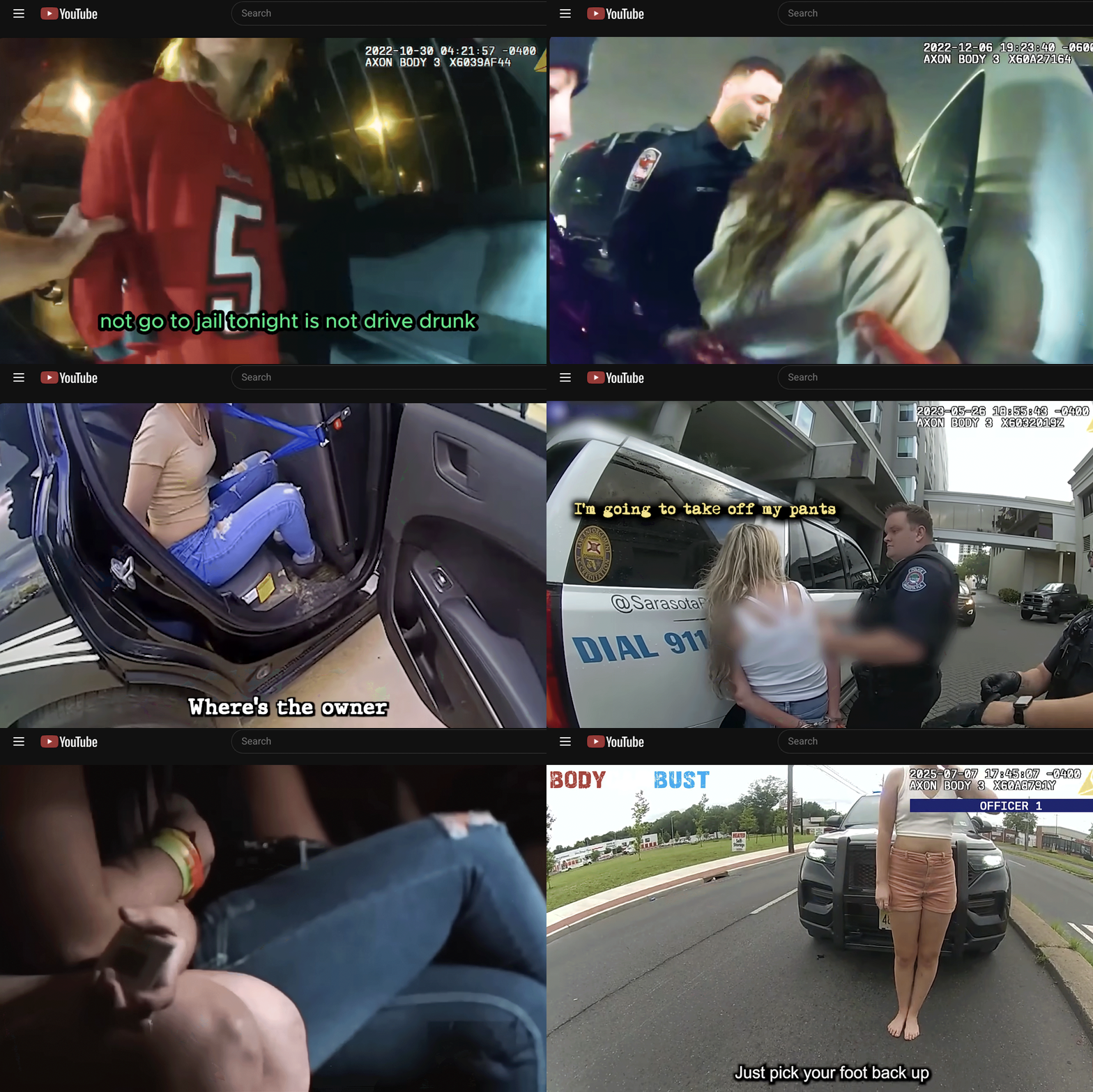
There’s a creepy efficiency to the scheme: Someone files a public-records request at city hall and asks for a list of every DUI from, say, the month of June. He filters the list to exclude male names and requests arrest footage of the rest. “In a few months’ time,” Michael Shorris writes, “the videos pop up: young women slurring their words, stumbling around during their arrests.” The uploader gets the ad revenue and, occasionally, takedown fees from the women.
Across YouTube and TikTok, videos like these have been viewed more than a billion times. The whole industry, if we can call it that, is an unanticipated consequence of outfitting police with body cameras and allowing the footage to be released via Freedom of Information laws. “The public interest in knowing the way that people are interacting with government,” a lawyer for the ACLU tells Michael, “outweighs, generally, a person’s personal interest in not being embarrassed.” Is that the end of the story? Maybe it is. But no one pretends it’s anything but a shame.
—Christopher Cox, features editor, New York