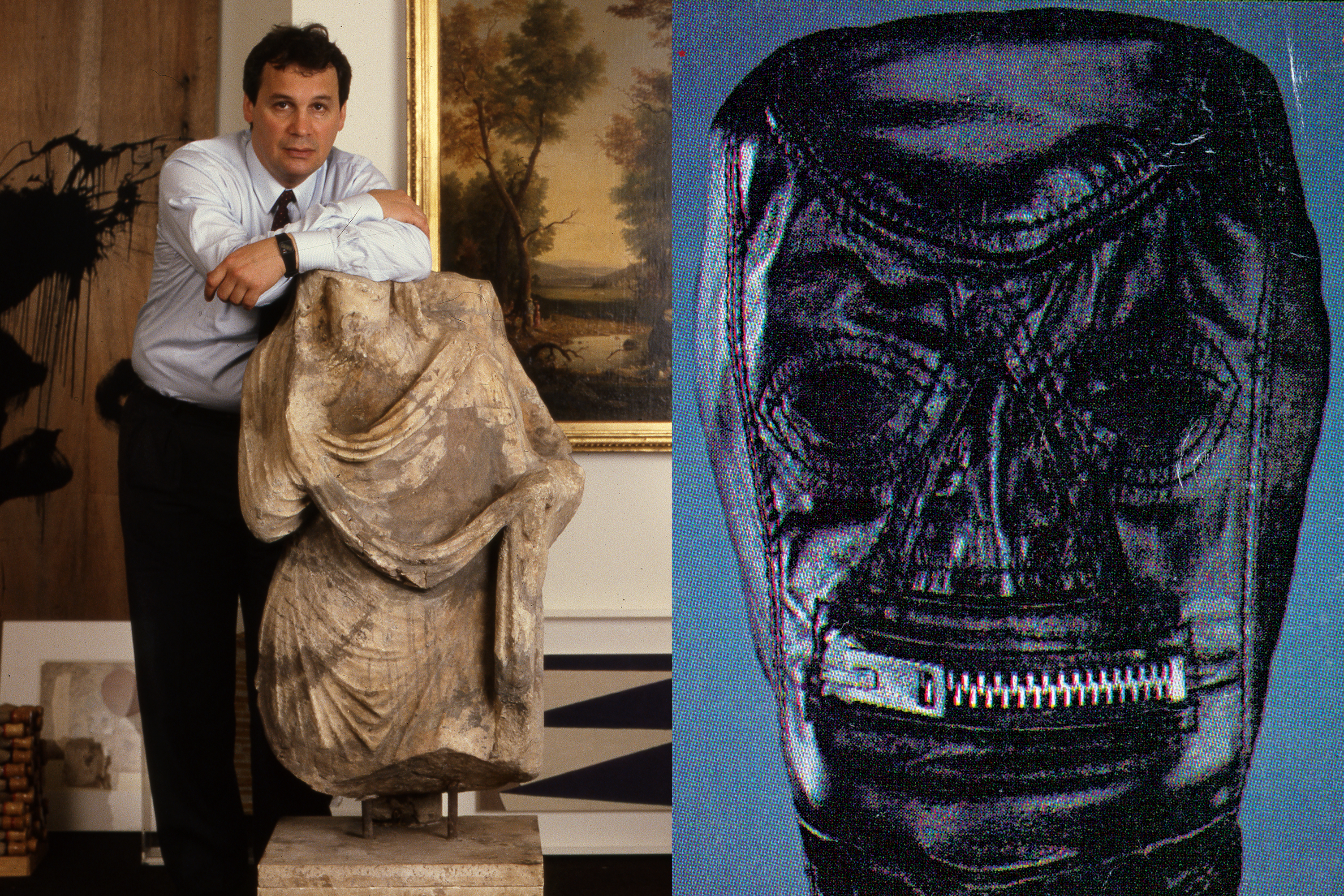
Mention the name Andrew Crispo to art-world people and gay men of a certain age, and a look of distant horror will flash across their faces. He was a prominent art dealer famous for museum-level shows at his 57th Street gallery who in 1985 was implicated in a case that came to be known as the “Death Mask Murder.” Crispo and his young assistant, Bernard LeGeros, spent an evening brutally beating Eigil Dag Vesti, a 26-year-old Norwegian model, and left him dead in the woods of Rockland County. Vesti was found handcuffed and naked except for a black leather bondage hood with a zippered mouth and two bullets to the head. He had been set on fire twice, but the leather mask had preserved his face in an “almost supernaturally perfect state,” according to the medical examiner. LeGeros took the fall for the killing, and Crispo didn't even get charged with assault. How he got away with the crime, the author Gary Indiana later said, is “one of the most surpassingly ugly things that ever happened in the art world.”
As we began putting together our annual “Yesteryear” issue, features writer Rachel Corbett had the sneaking suspicion that Crispo's death two years ago would finally enable LeGeros, who was paroled in 2019 after serving 33 years, to speak openly about the case. He was an elusive interview, but when he and Rachel finally met in person earlier this month, she found a broken man haunted by Crispo's ghost. LeGeros took Rachel to the spot where he disposed of the murder weapon and recalled the last conversation he ever had with the man who made him pull the trigger. After he was released from prison, Rachel writes, LeGeros got a call from a voice he recognized immediately: “Does Mr. B have any ill feelings toward Mr. C?”
—Erik Maza, editor-at-large, New York