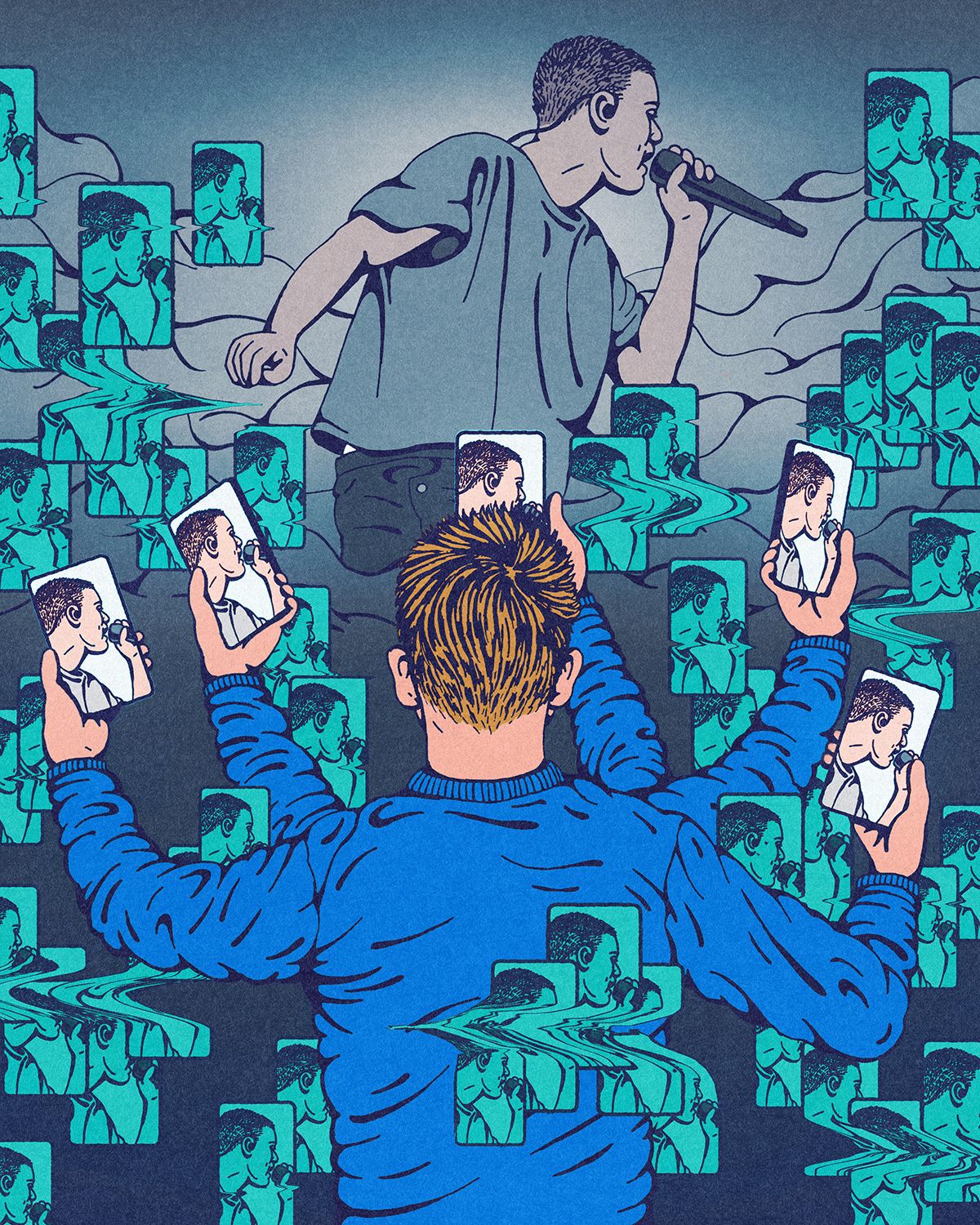
If you were already considering logging off forever, features writer Lane Brown’s latest story might tip you over the edge. It’s a deep dive into a ubiquitous marketing tactic called “clipping.” Here’s how it works: A marketer looking to promote an artist, celebrity, TV show, influencer contracts a remote army (often teens on Discord) to make and post a bunch of video clips featuring the subject of promotion. Those posts blanket social media, tricking algorithms into thinking they are seeing an organic surge of interest, which then encourages the algorithm to push them out to real people — and, if it works, turns an illusion of virality into the real thing.
Reading Lane’s piece, I finally understood certain patterns that have permeated my digital life but I had never bothered to investigate. Like the two months this winter when my X feed was absolutely wallpapered with enthusiastic Bridgerton fan edits made by accounts that appeared to have zero followers. This story has existential stakes for anyone whose opinion of the world is formed by what happens online, but especially for those of us who eke out a living by identifying trends. Here, Lane breaks down how the experience of being online today became one giant experience of getting got. Or, as he puts it, how we “locked ourselves in the stupidest possible version of Plato’s cave, where what looks like the spontaneous consensus of the hive mind is often just shadows on the wall, put there by marketers, political operatives, foreign-influence campaigns, or anyone else with a few hundred bucks and something to sell.”
—Joy Shan, features editor, New York