| | In this edition: South African regulators mull M&A policy shift, Nigeria secures a $1 billion to ove͏ ͏ ͏ ͏ ͏ ͏ |
| |  Hargeisa Hargeisa | Port Louis |  Libreville Libreville |
 | Africa |  |
| |
|
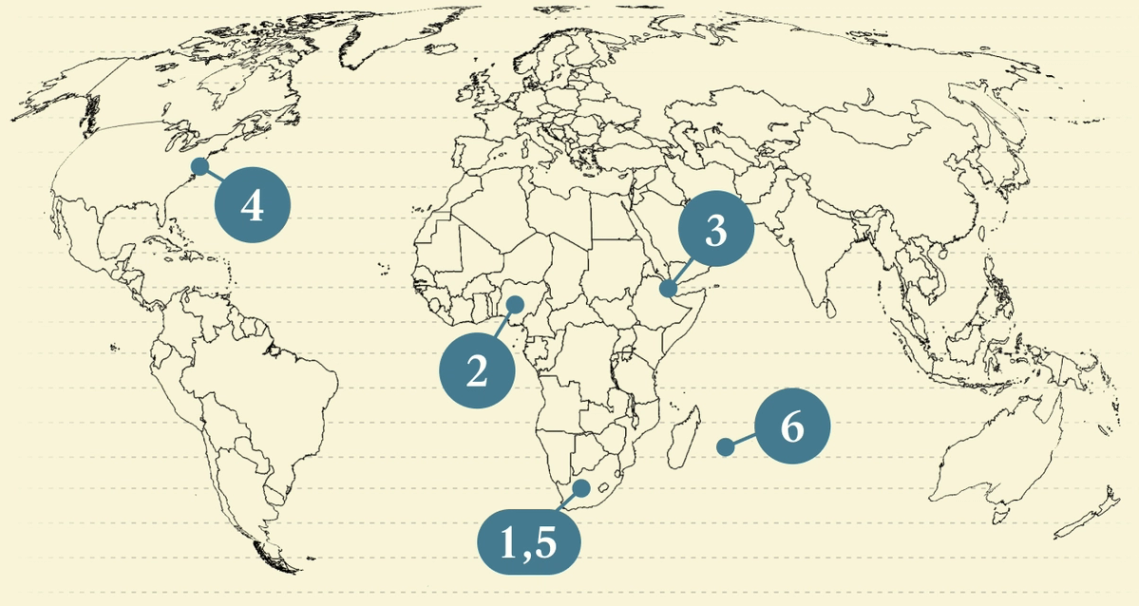 - S. Africa mulls M&A shift
- Nigeria’s ports overhaul
- Somaliland finance push
- US calls out green projects
- Government borrowing rises
- Africa’s happiest countries
 Weekend Reads, and a play about boarding school girls in Ghana is set to debut on Broadway. |
|
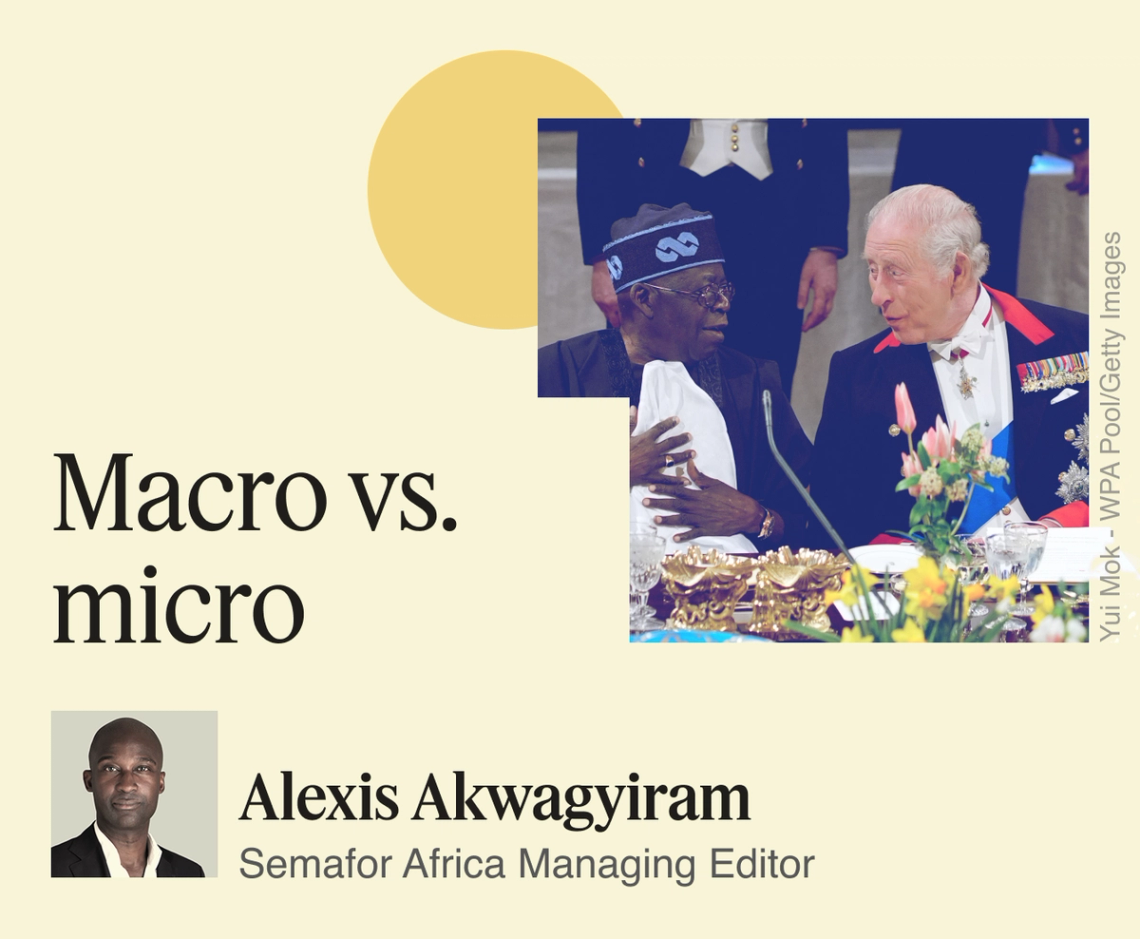 Bola Tinubu’s state visit to the UK offered a brief diversion from the Iran war, a conflict that could play a major role in the Nigerian president’s campaign to secure a second term. On the face of it, oil prices holding above $100 a barrel are good for Africa’s top crude producer. But the true picture is more complex: Nigeria still imports most of its refined products, including petrol, and those higher fuel prices will be felt at the pump, pushing up the cost of refilling the generators that millions of Nigerians rely on, and in food inflation. Tinubu can’t control the war but, in the minds of voters, surging fuel prices are inextricably linked to his signature policy — scrapping Nigeria’s fuel subsidy system. Inflation surged in the two years after he announced the bold move, along with his decision to allow the naira to freely float. Much like with oil prices, those policies have been positive in a macroeconomic sense. But with January’s presidential election looming, the danger for Tinubu is that his administration will be associated with a cost of living crisis. His challenge is finding a way to maximize the revenue boost from the oil price rise while cushioning the impact on the poorest people in a nation where around 60% of the population live below the World Bank’s poverty line. And he needs to do that without a U-turn that returns the nation to a form of fuel subsidy. The government is clearly mindful of the risk, with the finance minister last week ruling out any form of intervention to control petrol prices. Instead, Tinubu’s administration will have to rapidly mobilize social welfare programs, such as direct cash transfers, to help those hardest hit. Perhaps the clearest takeaway from this macro vs. micro conundrum is that the ability of ordinary Nigerians to earn a living hasn’t improved, leaving them at the mercy of commodity price fluctuation. “The deeper issue,” Abuja-based risk consultant Ebipere Clark pointed out to me, “is stagnant incomes and weak social protection, not simply the level of the petrol price.” 🟡Yinka and I will be in Nairobi next week for our latest Next 3 Billion on Tour event, on Tuesday, March 24, where we’ll speak to a range of policymakers and business leaders. Sign up for the event if you’ll be in Nairobi, and let us know if you’re free to meet up for a coffee. We’d love to hear from you. |
|
S. Africa talks over M&A changes |
| |  | Tiisetso Motsoeneng |
| |
 Ralph Mupita, CEO of MTN. Lluis Gene/AFP via Getty Images. Ralph Mupita, CEO of MTN. Lluis Gene/AFP via Getty Images.South Africa’s antitrust regulator is holding private talks with the telecoms industry about relaxing competition rules, signaling that regulators in Africa’s biggest economy may be looking to unleash a wave of mergers and acquisitions. The discussions, confirmed by the Competition Commission to Semafor, are a direct response to calls for looser industry rules by MTN, Africa’s biggest mobile operator. “Those are the conversations we are having with regulators and policymakers, so that South Africa can avoid Europe’s underinvestment,” MTN’s CEO Ralph Mupita told Semafor. He cited China, India, and the US, where a handful of dominant players have marshalled the scale to roll out nationwide 5G and fiber, and said South Africa should consider a similar consolidation to attract the investment needed for 5G, and ultimately 6G and AI. South African antitrust rules were one of the biggest barriers to MTN’s pursuit in 2022 of Telkom, the third largest network that also runs the country’s biggest fiber optic network. If the regulator acts on Mupita’s plea, it could put Telkom, which is partly owned by the government, back in play. |
|
Nigeria set for $1B ports overhaul |
 Nigerian President Bola Tinubu with UK Prime Minister Keir Starmer. Kin Cheung/WPA Pool/Getty Images. Nigerian President Bola Tinubu with UK Prime Minister Keir Starmer. Kin Cheung/WPA Pool/Getty Images.Nigeria secured a $1 billion export finance deal with the UK to revamp two historic shipping ports in Lagos, the highlight of President Bola Tinubu’s state visit to Britain. Nigeria’s congested Apapa and Tin Can Island ports are synonymous with expensive delays in landing and clearing cargo. The poor state of the facilities raise costs for local manufacturers that depend on imported components and, ultimately, the final prices of goods for consumers. The financing for the upgrade will be in the form of credit arranged by Citibank and will generate supply contracts worth $314 million for British firms, the UK government said, including a $93 million contract for British Steel. The deal capped Tinubu’s two-day state visit during which he met with King Charles III and Prime Minister Keir Starmer, the first such visit by a Nigerian leader in nearly four decades. |
|
Somaliland bill eyes US financial systems |
| |  | Yinka Adegoke |
| |
 Eric Lafforgue/Art In All Of Us/Corbis via Getty Images Eric Lafforgue/Art In All Of Us/Corbis via Getty ImagesA US congressman has filed a bill requiring the Treasury Department to identify regulatory barriers blocking breakaway region Somaliland’s access to the US financial system — and recommends what Washington can do to remove them. The legislation targets a specific and largely overlooked problem: Somaliland, which declared independence from Somalia in 1991 but which remains unrecognized by virtually every country, is effectively frozen out of the global financial system. Banks can’t easily do business there and remittances from the diaspora — estimated in the hundreds of millions of dollars annually against a roughly $4 billion economy — flow through informal, higher-risk channels rather than the regulated pipelines that would give the territory economic stability and transparency. Tennessee Republican John Rose, a member of the House Committee on Financial Services, said the bill would cover Somaliland’s compliance with international financial standards, remittance flows, access to institutions like the IMF and World Bank, and whether Somaliland can be integrated into financial systems. Though just a study, rather than a policy change, fixing the financial plumbing for Somaliland is inseparable from the strategic case for Somaliland independence for Republicans like Rose, who see it as a counterweight to China’s growing military and commercial footprint in the Horn of Africa. |
|
US official calls out green energy projects |
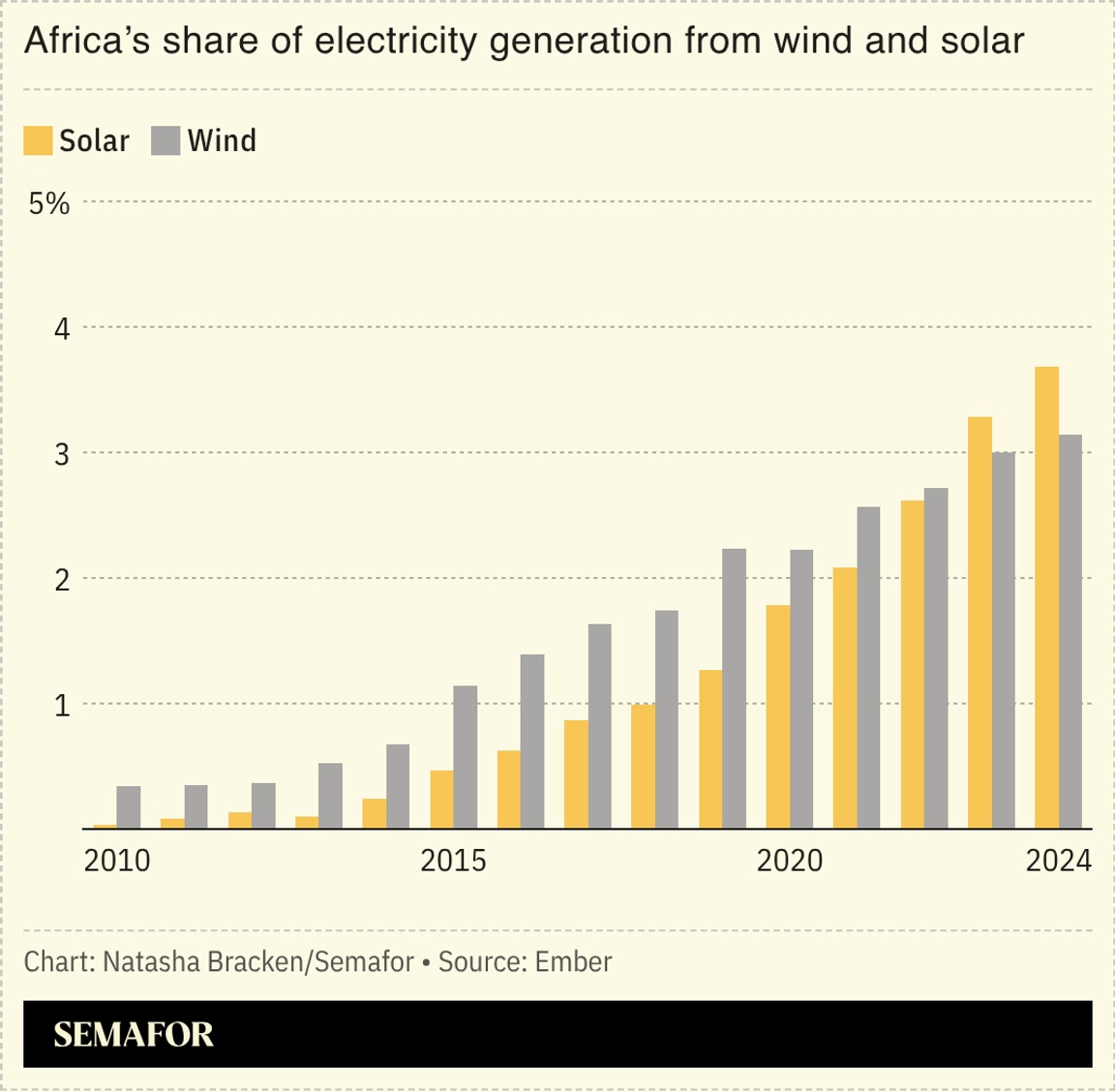 The Trump administration is doubling down on its bid to reverse the Biden-era drive to champion clean energy projects across Africa. US Energy Secretary Chris Wright, speaking in Washington this week, derided the amount spent by the US and Europe on wind and solar projects on the continent instead of fossil fuel-based energy. “Nothing that Africa does on its energy systems in all of our lifetimes will have any meaningful impact on global greenhouse gas emissions,” Wright said during a keynote address at the Powering Africa Summit, attended by several African energy ministers. He described the previous US administration and other Western governments as “paternalistic” and “neo-colonial,” arguing that they tried to dictate to African nations how to power their economies. Critics have pointed out that African countries account for just 3-4% of global emissions, yet were often unable to raise funds for fossil fuel projects that they said were discouraged by development finance institutions with Western backing. — Adrian Elimian |
|
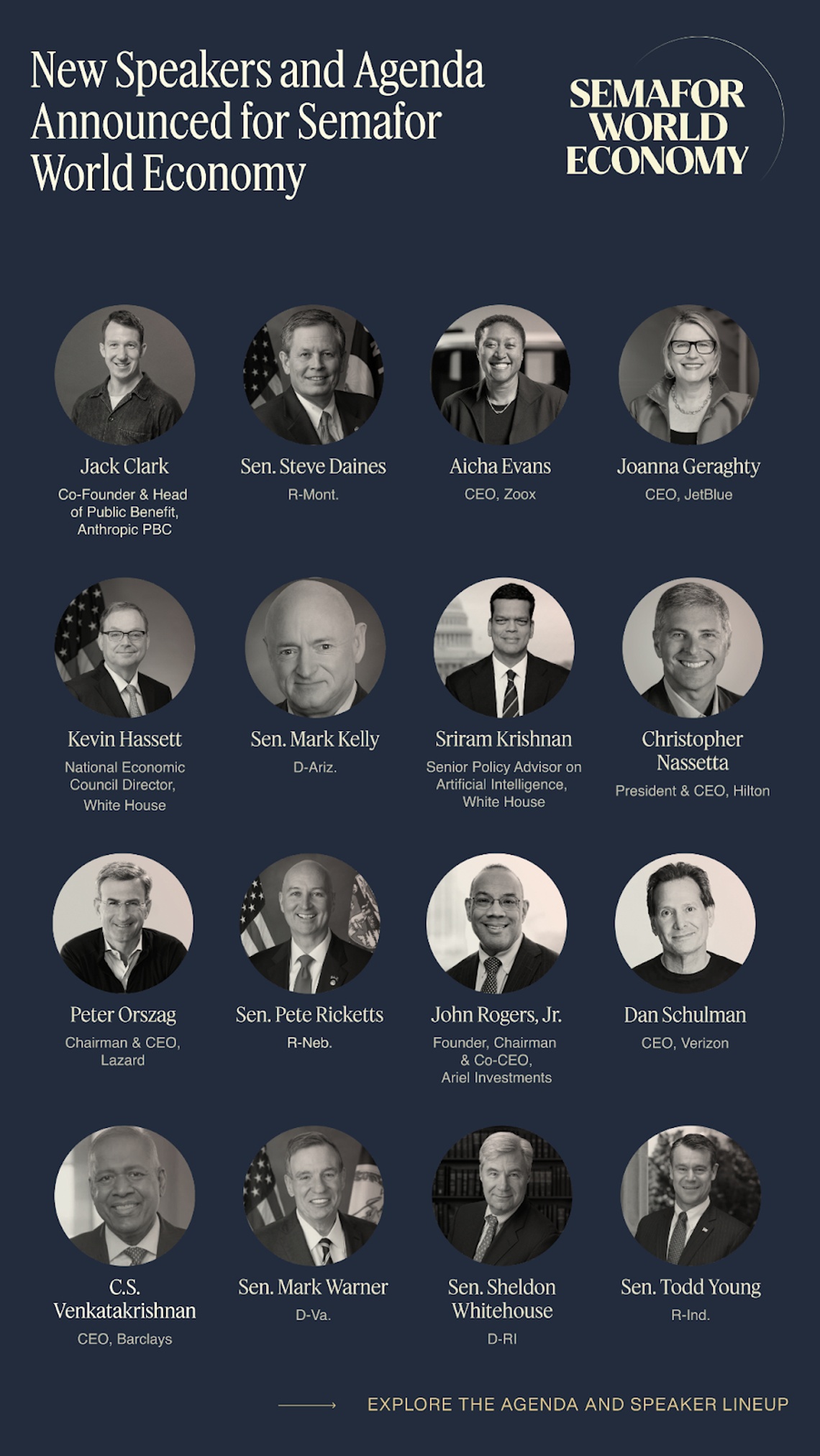 Semafor has announced the agenda and a new slate of CEOs and global leaders joining more than 450 top executives at this year’s Semafor World Economy, taking place Apr. 13-17 in Washington, DC. As the definitive live journalism platform on the new economy, the gathering will bring together US Cabinet secretaries, central bank governors, finance ministers, and Fortune 500 CEOs for five days of on-stage conversations and in-depth interviews, uniting private and public sector leaders to exchange ideas that will shape the future of the world economy. |
|
State borrowing to climb 11% |
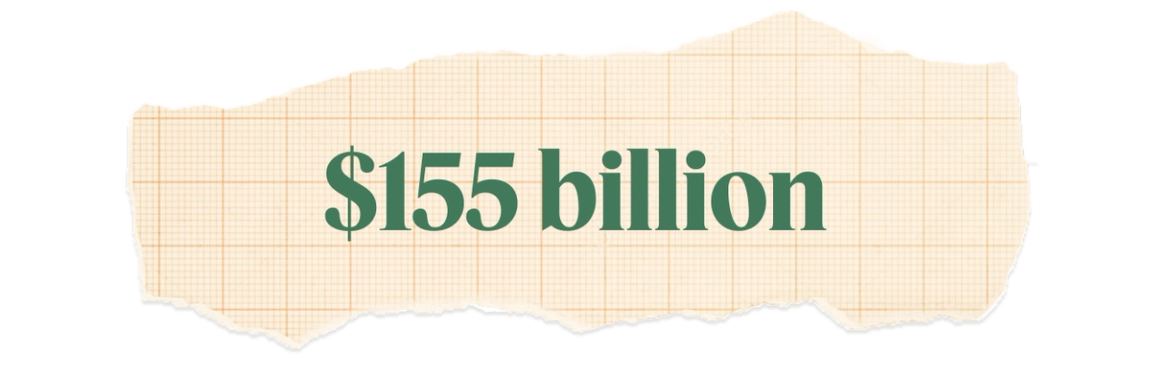 The amount that African governments are expected to raise in commercial borrowing this year, roughly 11% higher than last year, driven in large part by persistent fiscal pressures, S&P Global Ratings said. Egypt, Morocco, and South Africa are set to remain Africa’s largest issuers, though South Africa — the continent’s biggest economy — is forecast to record the steepest decline in issuance as belt tightening and concessional funding ease financing needs. S&P has also flagged risks from the war in the Middle East, warning that disruption to shipping lanes and volatility in oil prices could weigh on countries’ fiscal position and stoke inflation. In its October regional outlook, the IMF identified 20 sub-Saharan African countries as being in debt distress or at high risk. |
|
Youth satisfaction drives happiness |
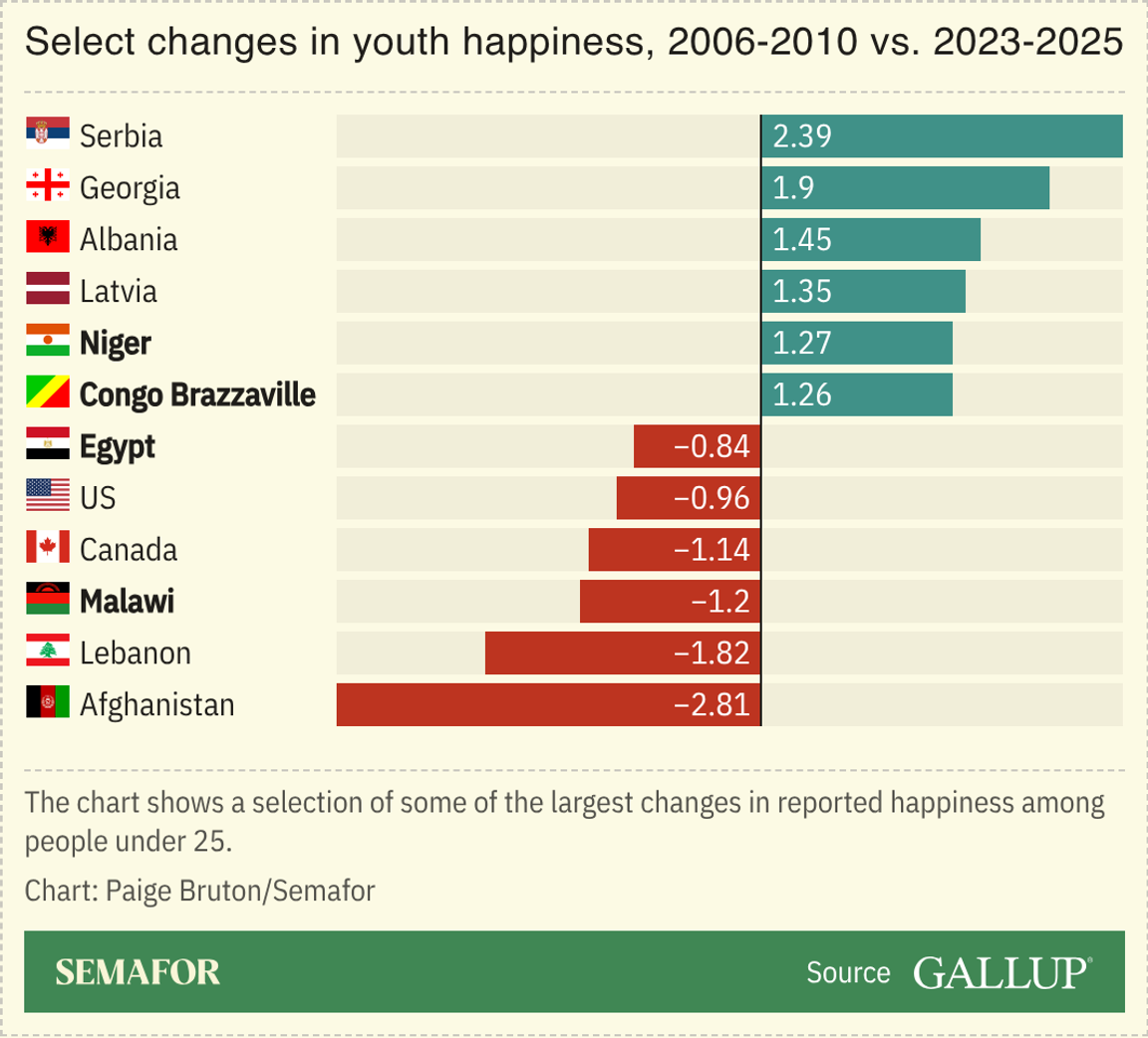 Happiness among young people has risen rapidly in countries like Congo Brazzaville, Niger, and Togo in recent years, according to Gallup’s 2026 World Happiness Report. In particular, Togo has enjoyed significant progress, after being classified as the world’s least happy country in 2013; it has since risen 20 places in the global ranking, with stronger social support cited as a significant factor. Mauritius, which has among the highest GDP per capita in Africa, was ranked highest on the continent at 73 out of 147 countries, while Nigeria’s ranking fell by one place, and South Africa — which faces youth unemployment at 57% — fell by six places from 2025 to 2026. — Paige Bruton |
|
 - Conservation efforts previously backed by USAID in sub-Saharan Africa are facing an existential threat, Michelle Nijhuis reports for The Guardian. Efforts to tackle the root cause of biodiversity loss in the Congo basin have been axed, and former park rangers in Liberia said they would need to resort to poaching to support their families. However, conservationists are now beginning to adapt: “Imagining a development future without Big Aid is the wisest — and paradoxically the most optimistic and creative approach we can take,” one conservationist said.
- Sea levels around Africa are rising faster than the global average, a University of Cape Town researcher writes in The Conversation. While many think that sea levels are consistent around the world, they are affected significantly by temperature, currents, and climate patterns like El Niño, which can cause water to expand or contract. Since 1993, sea levels around Africa have risen at a rate of approximately 3.54 millimeters per year, above the global average of 3.45 mm. This leaves the 200 million people living on Africa’s coastlines — including in cities like Lagos and Dar es Salaam — particularly vulnerable, the researchers warn.
- Russian agents have conducted several highly concerning political campaigns in South Africa, Namibia, and Madagascar in recent years, according to leaked documents seen by The Continent and Forbidden Stories. Secret meetings were conducted between a Russian agent and the secretary general of the ANC. Fake letters and videos were circulated in Namibia. And an influence campaign directed at former president Andry Rajoelina in Madagascar was celebrated by Russian actors as the “first African country where the rapid and effective intervention… has made it possible to change the results of a presidential election.”
- Traditional African dress is never neutral, but bound up in politics, identity, and history, shaped by colonial legacies and modern ideas of modernity and respectability, argues Nesrine Malik in a column for The Guardian. Episodes like the scrutiny faced by Ghanaian President John Mahama over his attire last month show how it can signal pride and yet invite judgment, Malik explains. It suggests cultural continuity, but can also seem performative, particularly in diaspora settings. These tensions expose deeper questions of authenticity and belonging and show how clothing becomes a proxy for wider cultural and political struggles.
|
|
 Business & Macro🇰🇪 Kenya’s Co-operative Bank reported a 16.9% year-on-year increase in post-tax profit of $223 million for the year that ended in December 2025, and proposed to pay $113 million in dividends to shareholders. 🇿🇦 South Africa hit Chinese and Thai steel with steep anti-dumping tariffs after a surge of low-priced imports hurt local factories and threatened jobs. Climate & Energy🌍 The Rockefeller Foundation and the Global Energy Alliance for People and Planet have committed over $100 million in the last 12 months to the World Bank-led Mission 300 project to electrify Africa. Geopolitics & Policy🇷🇼 Rwanda is seeking a £100 million settlement from the UK for a scrapped migrant deportation deal between both countries, in a suit that opened this week in the Hague. 🇨🇩 A 93-year-old former Belgian diplomat, will stand trial for his alleged complicity in the killing of former Congolese President Patrice Lumumba. Tech & Deals🇲🇺 Mauritius-based private equity firm Adenia Partners raised $180 million for a fund to invest in companies in Africa. |
|
 @heathatrottlives/Instagram @heathatrottlives/InstagramA play centered on a group of girls in a boarding school in Ghana in 1986 is due to debut on Broadway in New York. School Girls; Or, The African Mean Girls Play follows Paulina, the queen bee of her high school, and her gaggle of fawning underlings, who are all vying to be selected as the local contestant in the Miss Ghana pageant after a recruiter comes to town. Though it is widely assumed that Paulina will be chosen, this is thrown into uncertainty when a new girl transfers to the school from Ohio: Ericka is worldly and sophisticated, making her the envy of other girls in the school. Written by Ghanaian-American Jocelyn Bioh, School Girls has been performed more than 75 times in the US and UK since it first debuted off-Broadway in 2017. |
|
| |