Read Online | Sign Up | Advertise | | | Good morning, C. Google’s headlining I/O event isn’t until next week, but Android just gave a pretty big performance for an opening act. | The company just introduced a new line of AI-native Googlebooks, a new Gemini Intelligence system across devices, a Gemini-infused mouse cursor, and more — bringing AI into its device ecosystem in a more unified way than ever before. | | In today’s AI rundown: | New Googlebooks, Gemini Intelligence for Android Google circles SpaceX for orbital AI compute Turn Claude Code into your Wall Street analyst Amazon's AI scoreboard warps work incentives 4 new AI tools, community workflows, and more
|
|
| | | | GOOGLE | | 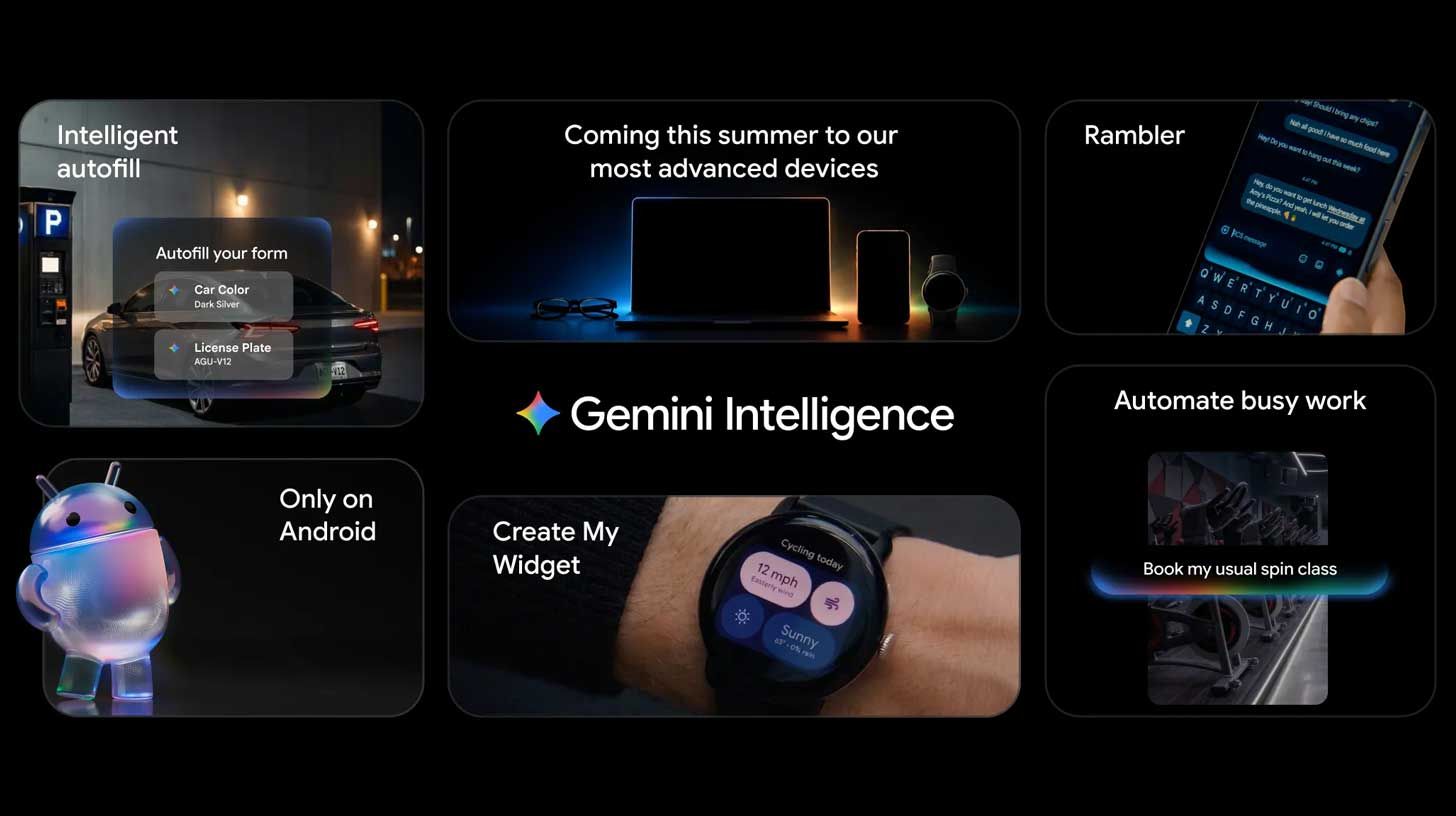 | Image source: Google |
| The Rundown: Google just rolled out major new Gemini integrations and hardware at its Android Show event, including a new line of AI-native Googlebook laptops, a Gemini Intelligence system for devices, an AI-infused mouse cursor interface, and more. | The details: | Googlebooks ship this fall as Gemini-native laptops built with Dell, HP, Lenovo, Acer, and Asus, featuring a 'Magic Pointer' AI cursor shown in a new demo. These new laptops will run Android phone apps and files, blending ChromeOS, Android, Google Play, and Gemini. Gemini Intelligence acts as Android’s cross-device AI platform, able to carry out agentic tasks within apps and operate with on-screen context. Other releases include a Create My Widget tool, a Rambler dictation tool that strips filler words, Gemini auto-browse in Chrome on-device, and more.
| Why it matters: I/O isn’t until next week, but this was a pretty big appetizer. While the world awaits Apple’s Siri AI revival, Gemini is being woven directly into Android instead of as another bolted-on feature. An ‘intelligence system’ across devices is a clear path to making AI actually useful, and Google might be the first one to actually crack it. |
|
| | TOGETHER WITH OPTIMIZELY | | | The Rundown: Test + Learn 2026, hosted by Optimizely, is a free two-hour virtual event on June 17 built for digital leaders putting AI to work in their experimentation programs. Expect honest takes, live agent demos, and real frameworks teams are using today. | At the event, you'll: | Hear career-shaping AI advice from Elena Verna and top minds in the field See 5 live AI agent demos covering everything from ideation to reporting Learn how Salesforce, BBC, ASOS, and more run more tests without extra headcount Get exclusive content and an invite to free AI certificate training
| Register now. |
|
| | GOOGLE & SPACEX | |  | Image source: Images 2.0 / The Rundown |
| The Rundown: Google is reportedly exploring a rocket-launch deal with SpaceX for orbital data centers, putting two already-linked companies on the same side of a moonshot that could also become a future AI infrastructure rivalry. | The details: | Google has held a 6.1% stake in SpaceX since investing $900M in 2015, and its VP Don Harrison occupies a board seat at the company. Google’s own moonshot Project Suncatcher is aiming to launch prototype Google satellites by 2027, with Planet Labs helping build the first hardware. Anthropic finalized a compute deal with SpaceX last week, with Anthropic also saying it “expressed interest… in multiple GW of orbital AI compute capacity”. SpaceX has filed for approval for up to 1M satellites, making orbital compute a major piece of its pre-IPO pitch to investors. OAI's Altman called the concept of orbital compute 'ridiculous' at an event in New Delhi, saying it won't 'matter at scale this decade.
| Why it matters: The deal makes a lot of sense for both sides — Google gets launch capacity for Suncatcher without building its own rockets, and SpaceX gets a marquee customer to validate its orbital pitch before its IPO. Despite Altman’s sentiment, betting against ideas from both Google and Elon Musk hasn’t been a great move historically. |
|
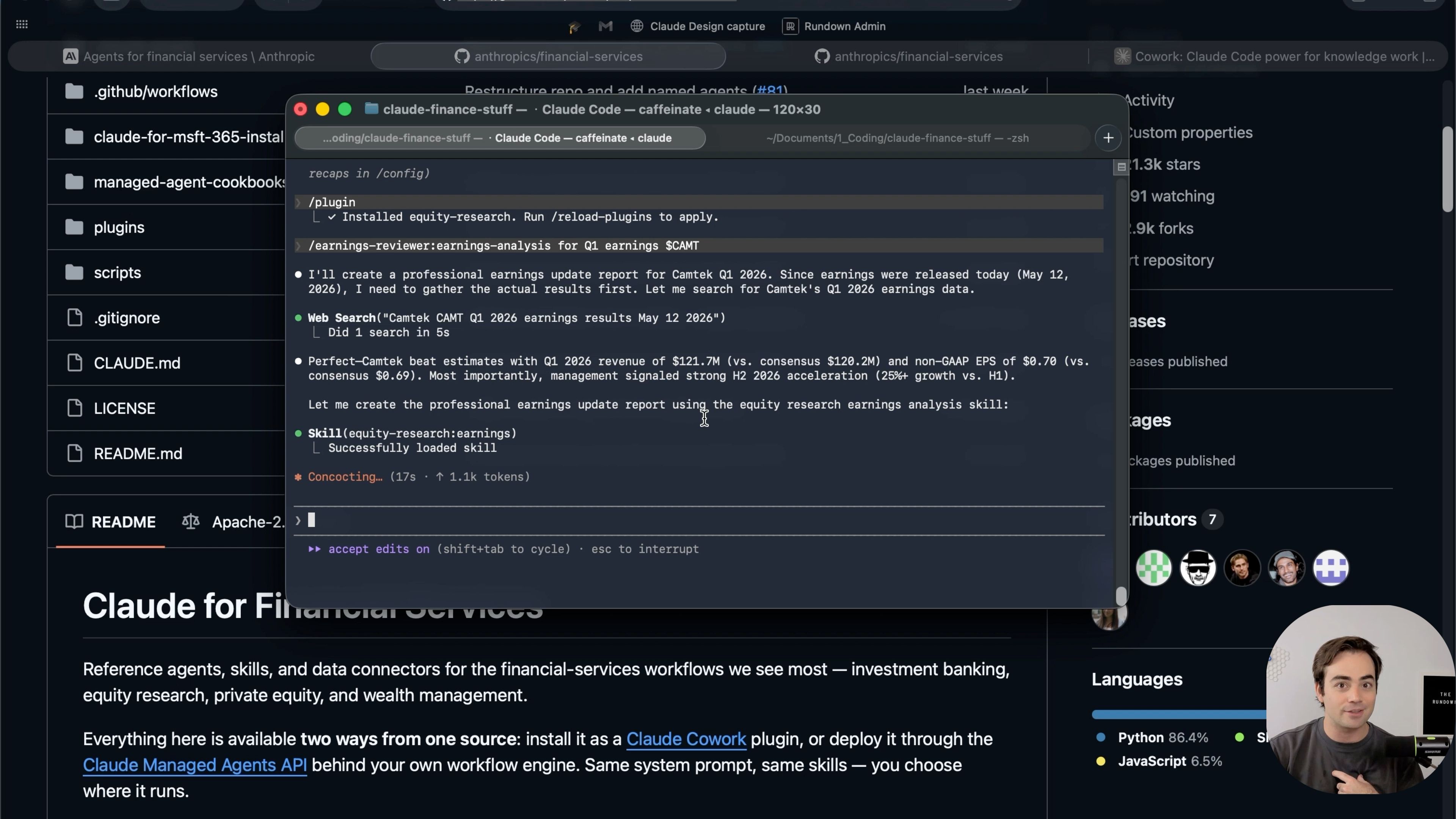
| | AI TRAINING | | | The Rundown: In this guide, you will learn how to add Anthropic's financial services plugin marketplace to Claude Code, install market research skills, and use them to create market research reports, equity analysis, earnings reviews, and Excel sheets. | Step-by-step: | Open a terminal and start Claude Code. Once it’s running, type: /marketplace and hit enter on the plugin marketplace option to open the plugin manager Go to the Marketplaces tab in the plugin manager, select Add Marketplace, and paste this GitHub link to add the new claude-for-financial-services marketplace Open the new marketplace and browse plugins. For us, market-researcher, earnings-reviewer, equity-research, and financial-analysis did well Install the skills you want, then use them inside Claude Code to create sourced reports, compare companies, review earnings, or financial analysis outputs
| Pro tip: Treat this as research support, not financial advice. Use public information, ask Claude to cite sources, and verify anything important before making decisions. |
|
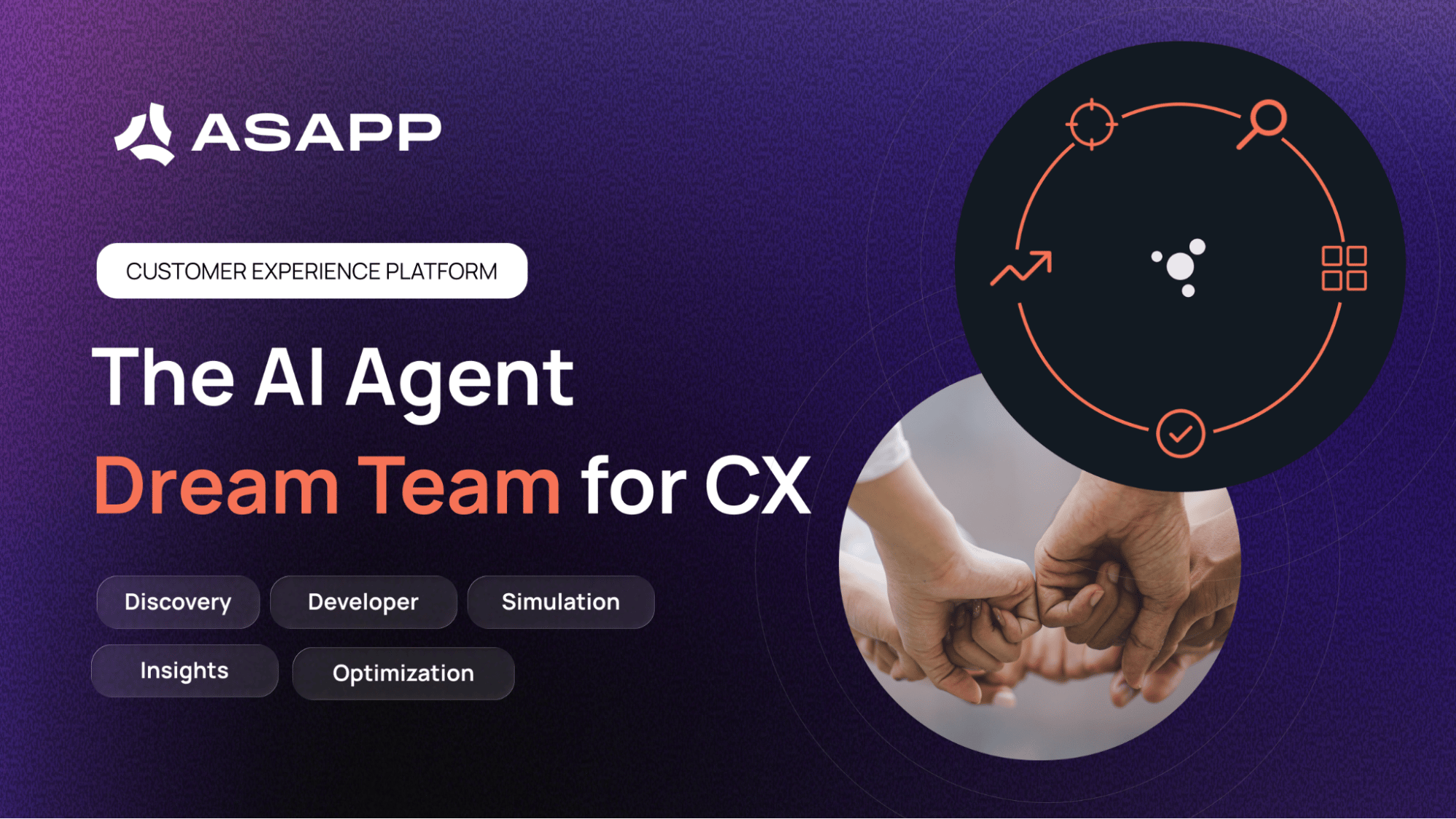
| | PRESENTED BY ASAPP | | | The Rundown: Most enterprises automate containment and call it done. ASAPP's five new coordinated agents — Discovery, Developer, Simulation, Optimization, and Insights — take you from finding what to automate to building, testing, running, and improving it all in one governed platform with human oversight built in. | ASAPP’s agents can: | Spot highest-ROI automation opportunities and ship CX workflows without the engineering wait Test new experiences before launch and tune live performance continuously Turn every customer interaction into intelligence the business can act on
| Meet ASAPP’s new agents. |
|
| | AMAZON | |  | Image source: Images 2.0 / The Rundown |
| The Rundown: Amazon's internal AI ‘tokenmaxxing’ push has resulted in employees gaming its MeshClaw agent to burn extra tokens, with staff telling FT that adoption and public consumption metrics have turned token usage into an office competition. | The details: | The company had set an internal goal for over 80% of developers to use AI weekly, and started tracking model and token usage via staff rankings this year. MeshClaw, a tool built by Amazon staffers, lets users create AI agents with access to deploy code, sort emails, and operate across company software. Amazon staff told FT the pressure to adopt AI is causing “perverse incentives”, with employees burning tokens on unnecessary tasks to raise their numbers. Amazon says token stats are not performance-review inputs, but recently pulled back usage number visibility to individual employees and their managers.
| Why it matters: The quality > quantity adage feels like an important lesson for the rise of tokenmaxxing seen within companies like Amazon and Meta. A token counter can prove AI was used, but it can’t prove the work got better — and if companies reward usage instead of outcomes, employees will only optimize for the scoreboard. |
|
| | | | | 🧠 Pave - Skip prototype purgatory. Build custom AI apps your business can actually run. No tools, setup, or cost* 🌌 Krea 2 - Krea's image AI with style transfer, moodboard-based generation 🎨 Step Image Edit 2 - StepFun’s new lightweight image editing model 🗣️ GPT-Realtime-2 - Voice AI that thinks, call tools, maintains flow in live calls
| *Sponsored Listing |
|
| | | Google’s Isomorphic Labs announced $2.1B in funding for its drug discovery AI, with Demis Hassabis saying “the No. 1 application of AI should be to improve human health.” | Krea introduced Krea 2, the company’s first proprietary image model specifically designed for aesthetic range, with features like style transfer and moodboard tools. | A hacker planted data-stealing code called ‘Mini Shai-Hulud’ inside 42 of its open-source agentic npm packages, with the wide-scale attack impacting several AI tools. | Meta employees reportedly organized a protest against the company’s mouse-tracking software being used to train AI and create agents. | Rivian rolled out an AI assistant across its EVs that controls car hardware, chains agentic tasks, and more via a steering wheel button or “Hey Rivian” command. |
|
| | | | | Every newsletter, we showcase how a reader is using AI to work smarter, save time, or make life easier. | Today’s workflow comes from reader Corey S. in Ft. Lauderdale, FL: | "Six months ago, my little brother passed away unexpectedly. On the night before his funeral, we realized that the hundreds of people attending likely held a treasure trove of photos we had never seen—snapshots of his life from childhood to adulthood. | On the morning of the service, I quickly vibe-coded and deployed a simple site that allowed guests to scan a QR code and upload photos directly from their phones. | As people arrived, a live wall of memories began to grow, giving everyone a chance to reflect on his life while they waited. Afterward, I was able to download every single one of those photos and send them to my mother." | How do you use AI? Tell us here. |
|
| | | | That's it for today!Before you go we’d love to know what you thought of today's newsletter to help us improve The Rundown experience for you. | | See you soon, | Rowan, Joey, Zach, Shubham, and Jennifer — the humans behind The Rundown | |
|
| |
|