| Read in browser | ||||||||||||||
 After days of silence, Iran parried Donald Trump’s proposed peace plan with terms similar to those it has floated for weeks. Trump on Monday assailed the response while engaging in new brinkmanship regarding the tenuous ceasefire between the US and Iran. With no deal in sight and the Strait of Hormuz still effectively blocked, oil prices resumed their upward trajectory during the day. And with gasoline prices at multi-year highs as the travel-heavy Memorial Day weekend approaches, Trump raised the possibility of a federal gas tax holiday. The problem with that, however, is the president has no power to impose one, as such a move would take an act of Congress—which has never done it. —David E. Rovella What You Need to Know TodayThe US airline industry is primed for a new round of mergers as low-cost carriers are squeezed by the oil-price spike, according to Deutsche Bank analyst Michael Linenberg. With gas and ticket prices rising, companies like JetBlue and Frontier are likely to see a decrease in bookings from budget conscious travelers, placing financial pressure on the carriers, Linenberg said. That could result in more joint ventures between airlines and potentially outright mergers. “The low-fare carrier space is still ripe for consolidation,” he said. 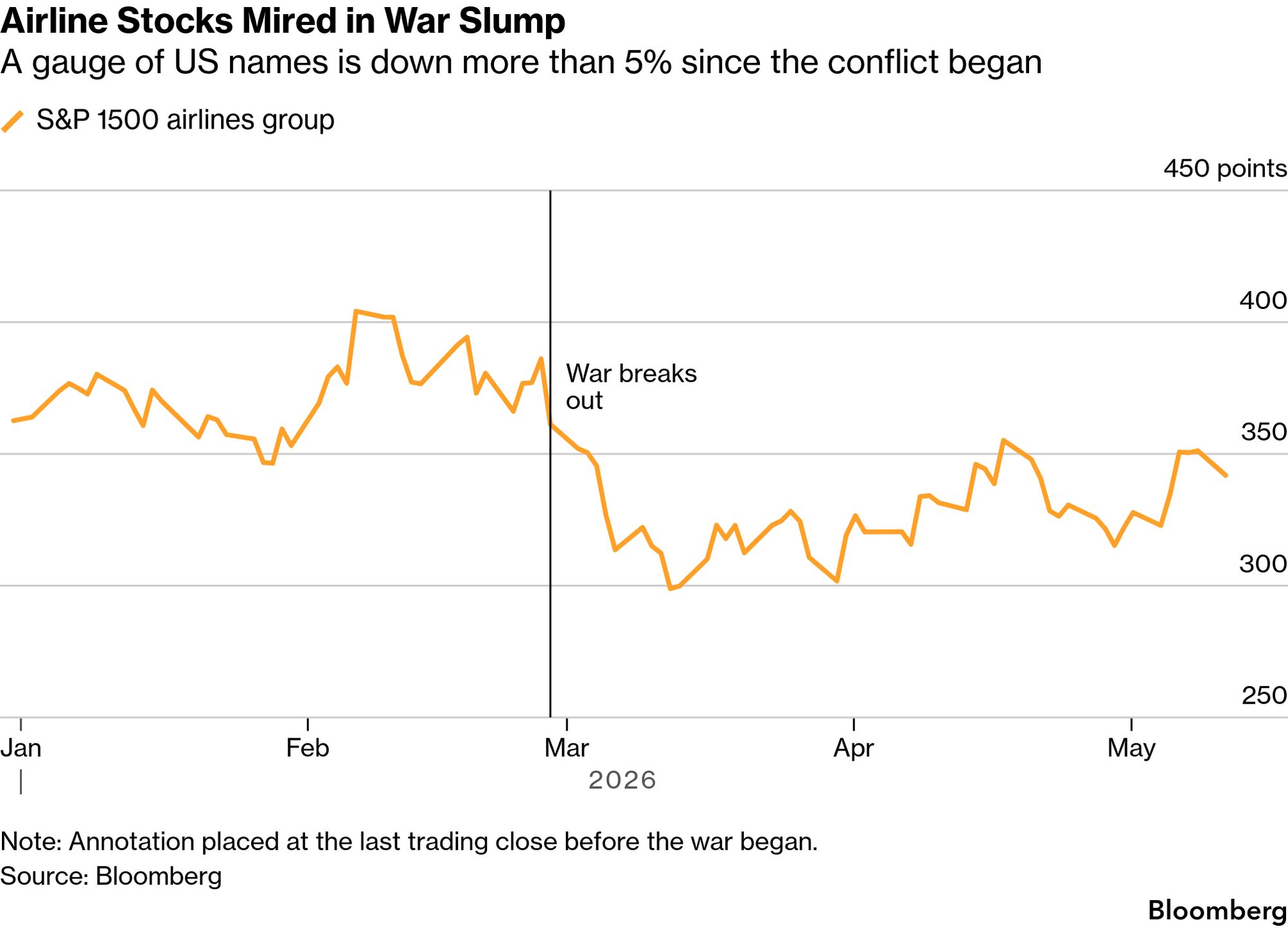 More frequent marking of assets does little to improve transparency or accuracy in the $1.8 trillion private credit market, says Pimco strategist Lotfi Karoui. Pimco, an early critic of the private credit industry, has been vocal about the risks in direct-lending markets and has taken the other side of the bet by hunting for emerging problems in private-credit-backed companies. Karoui’s comments come as one big player, Apollo Global Management, is stepping up efforts to provide liquidity and price transparency in the opaque market. Last week, the firm said more than $830 billion of its credit assets will be priced daily by the end of September. Michael Burry, the investor made famous in The Big Short, is warning that the Nasdaq 100 Index is headed toward a dramatic reversal after a “parabolic” surge that’s driven technology valuations to unsustainable heights. Burry said the market resembles the peak of the dot-com bubble just before it burst, citing in particular the steep jump in chip stocks that has pushed up the Philadelphia Stock Exchange Semiconductor Index by nearly 70% since the end of March. He said the Nasdaq 100, by his reckoning, is trading at 43 times earnings—well above the implied level of around 30 times—because “Wall Street may be overstating by more than 50% the earnings at our fastest growing, most highly valued companies.” 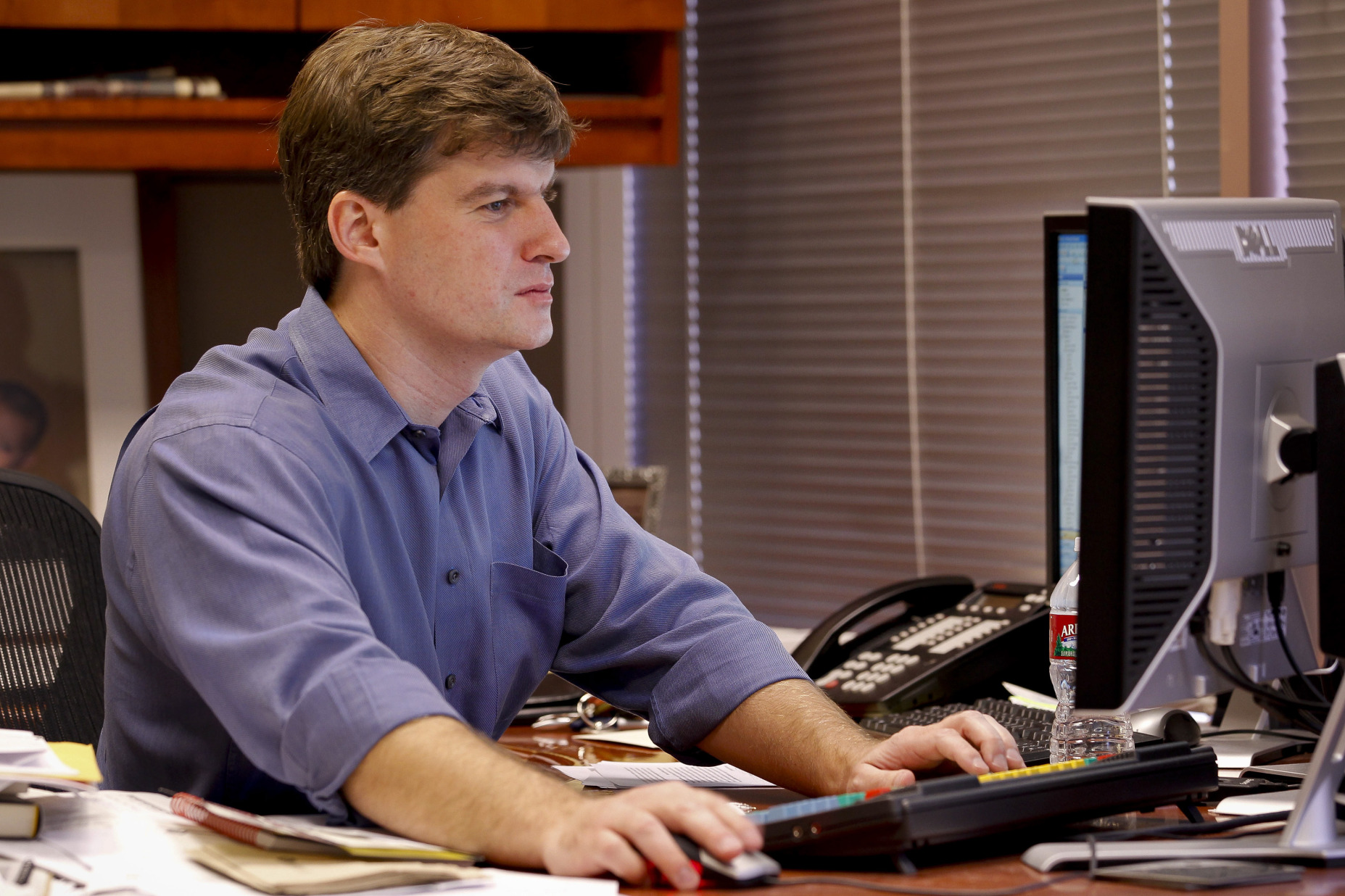 Michael Burry Photographer: Tony Avelar/Bloomberg The Iran war is doing increasing damage to India. Prime Minister Narendra Modi has called on Indians to avoid buying gold for at least a year to preserve foreign-exchange reserves, a surprising appeal in a country where the metal plays a vital role in savings, weddings and religious festivals. The unorthodox request came just one day after he appealed to citizens to cut fuel use and limit travel as rising oil prices threaten to widen the nation’s import bill. Both calls underscore how the conflict in the Middle East and the resulting energy shortages are widening India’s trade deficit and weakening the rupee. Gold constitutes the largest share in India’s import bill after oil, and the country is the world’s second-largest importer of bullion. Spring Sale: Save 60% on your first year Get the numbers behind the narratives. Enjoy unlimited access to Bloomberg.com and the Bloomberg app, plus market tools, expert analysis, live updates and more. Offer ends soon. Unlock 60% offWhat You’ll Need to Know TomorrowFor Your CommuteSubscribe to the New Economy newsletter, and receive in-depth analysis on global shifts in economic and geopolitical power. Sign up here. More from BloombergEnjoying Evening Briefing Americas? Get more news and analysis with our regional editions for Asia and Europe. Check out these newsletters, too:
Explore all newsletters at Bloomberg.com. We’re improving your newsletter experience and we’d love your feedback. If something looks off, help us fine-tune your experience by reporting it here. Follow Us
You received this message because you are subscribed to Bloomberg’s Evening Briefing Americas newsletter. If a friend forwarded you this message, sign up here to get it in your inbox.
|