
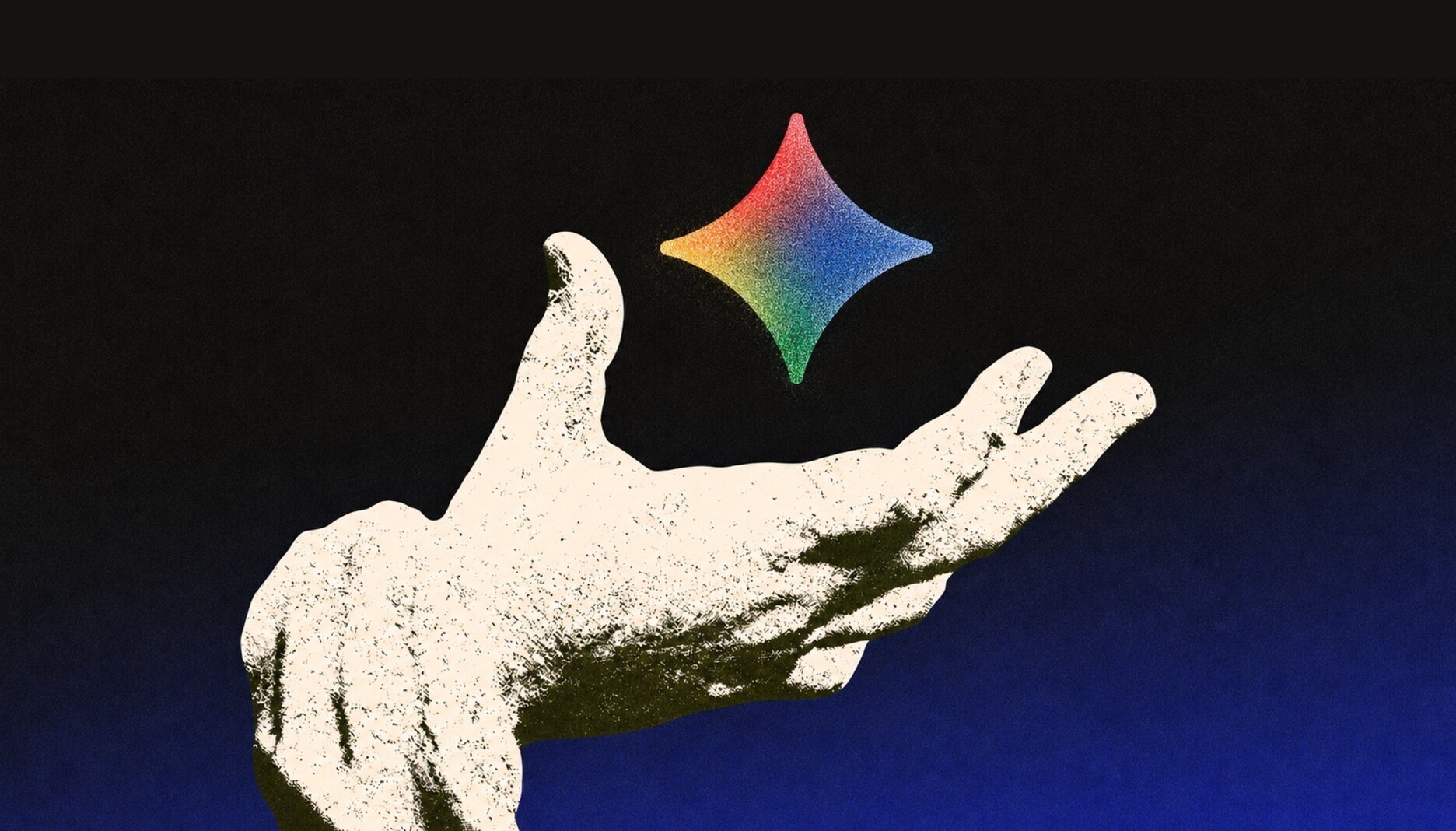
Google’s Gemini 4 Neon is having a moment online, and our team can’t agree whether it deserves it. Today: What Neon is actually good for and how head of marketing Douglas Brundage made Every’s first AI commercial by directing Claude.—Grant Harvey
Get 38% off Every All Access, plus $8,000-plus in AI credits. During Every’s annual holiday sale, get a year of All Access for $388 (normally $625), including AI credits from OpenAI, Anthropic, Notion, Google, and more. That’s $100 more than a regular paid subscription. Already a paid member? Sign in to see your upgrade price. Get All Access.
Was this newsletter forwarded to you? Sign up to get it in your inbox.
Signal
Neon is Google’s best collaborator, if you stay in the loop
What happened: Gemini 4 Neon is having a viral moment. Vercel CEO Guillermo Rauch says Google’s AI comeback is “widely (and wildly) under-discussed.” Ruby on Rails creator David Heinemeier Hansson calls Neon “crazy good” after it helped his Linux setup, Omarchy, start up twice as fast.
Why it matters: Our Mini-Vibe Check gave Neon high marks for work you can steer yourself, but some of us have caught it making things up. Here’s what we’ve learned since:
- Test it against Fable for systems diagrams. Asked to diagram a hypothetical discovery call, Fable wrote a blog post dressed up in CSS, while Neon got it on the first try. Consulting lead Ryan Wright said, “You don’t need to decode everything that it says.”
- Use it to review AI video edits. Head of video Randy Counsman auto-edits in EveryCut with Fable 5.2 and Opus 5.5, then has Neon check the cut because it can watch video: “Multi-modal earns it a place in my rotation.”
- Check every quote it gives you. When staff writer Katie Parrott asked it to read a tweet, it quoted an article instead, then admitted, “Whoops, my bad.”
- Give long, hard jobs to a team of agents. In Antigravity, Google’s coding app, /teamwork runs agents for hours or days and checks the work at each milestone. Senior editor Jack Cheng calls it “like Claude’s ultracode but much more token efficient.”
What it means: Neon is the best collaborator Google has shipped, but only when you stay in the loop and run it on high effort. Hand it a job and walk away, and it can make things up.
Try this: Give Neon and your default model the same task you know well and check every fact Neon hands back.
Read the Mini-Vibe Check for why Kieran Klaassen only trusts Neon on high effort, why Katie rewrote her word processor to keep writing with Neon, and its real cost per task.
Hit reply and tell us: What do you think of Gemini 4 Neon?
Lovable now helps you find your users
Building is just the beginning. The hard part comes after: getting your app in front of the right people and turning them into happy customers.
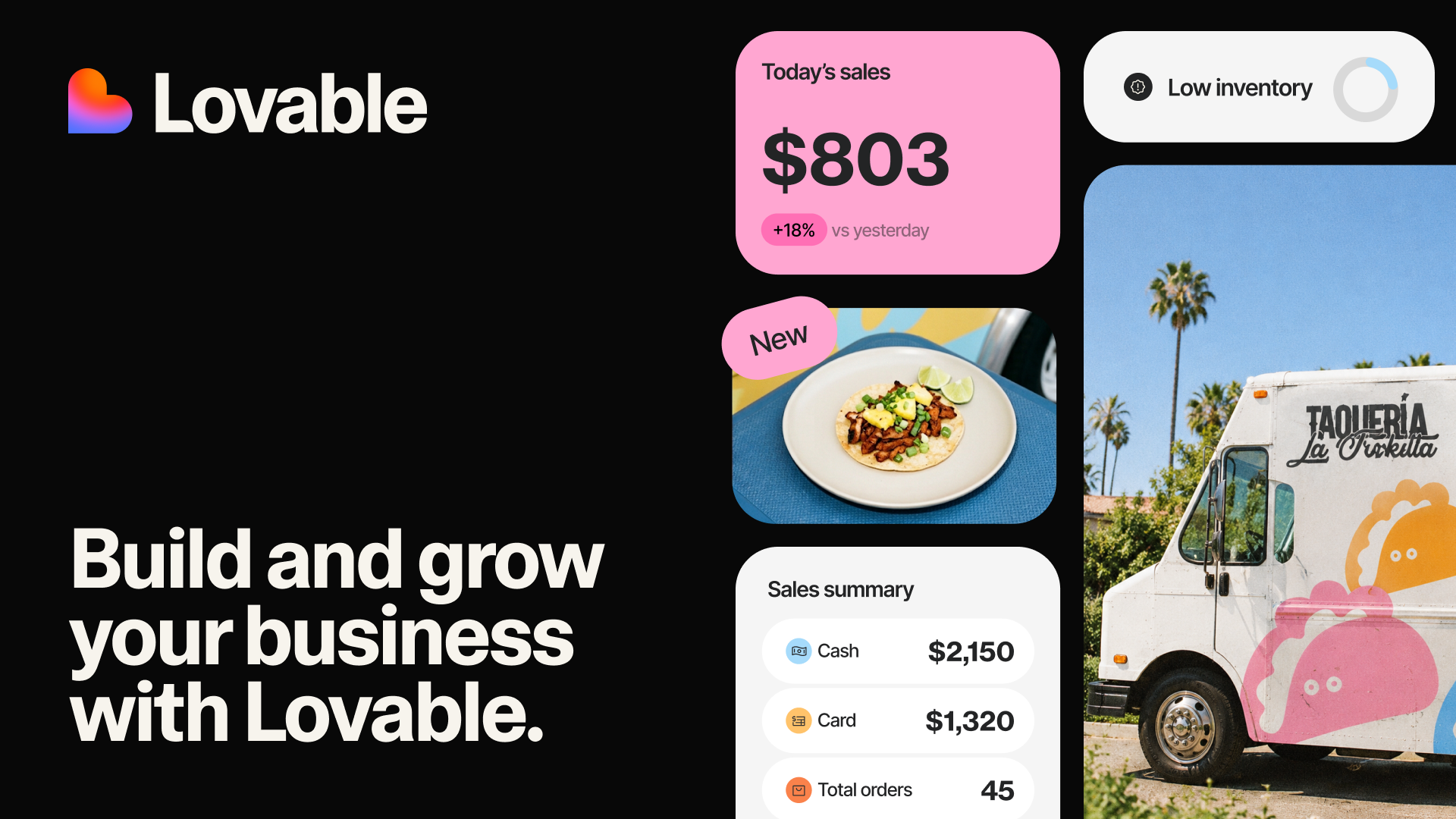
Lovable is the only software creation platform that covers the full loop: from brainstorming an idea, to building production-grade software, to helping you find users. Through Lovable you can launch ads on Google, YouTube, Facebook, and Instagram, get found through search, and create all the marketing assets you need, just by asking. It also tells you what's working and your next best marketing move.
Inside Every
Why Duet didn’t stick
A month after CEO Dan Shipper said in his Vibe Check that switching to Duet, Anthropic’s always-on agent, had “already stuck,” he told the team he wasn’t really using it anymore. Most of us aren’t either.
That’s because Duet mostly does “performative” work. It will pull up your tasks at random times instead of handling them for you. Randy calls it “basically a random alert service for work stuff I’m already aware of.” And it lives outside the apps we already work in:
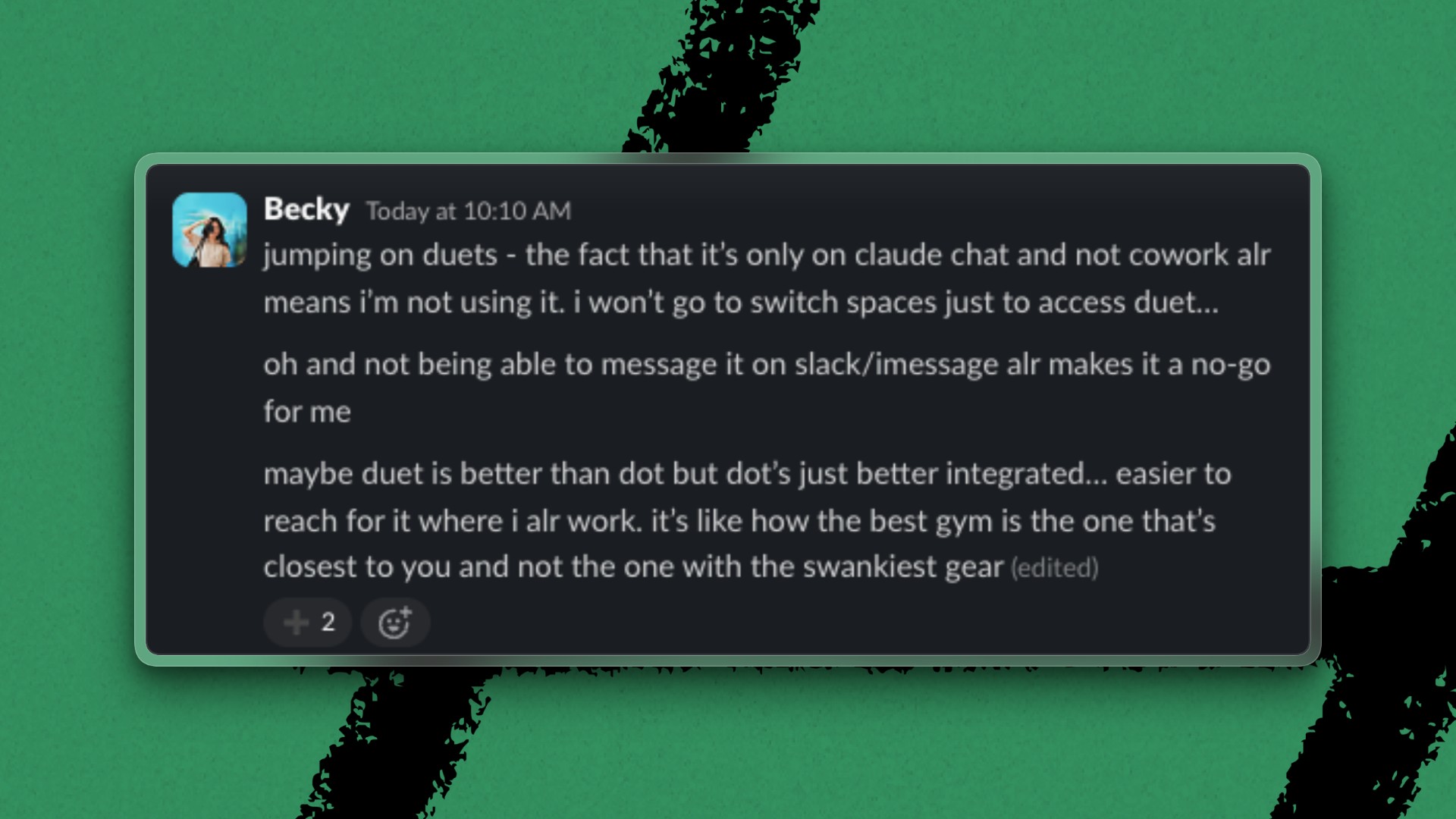
What we use instead: Many of us kept our Dots, OpenAI’s always-on agent (read our guide). Others switched to the redesigned Projects in Claude Code, where a coordinator agent runs the work toward a goal you set, unlike the Claude app’s Projects, which are just folders. (Yes, same name. It confused us, too.)
Head of enterprise AI adoption Natalia Quintero uses the new Projects to give each Claude Code project its own manager agent and uses scheduled tasks for repeat work. As a team, we use the Every Agent to manage shared context and skills across our whole organization.
Our read: If your always-on agent mostly hands you work instead of doing it for you, consider using a different tool or make an agent a project manager inside the tool you already use.
Steal this workflow
Make a commercial by directing Claude
Head of marketing Douglas Brundage made Every’s first AI commercial for about $43 in credits for the AI canvas tool Flora (plus the tokens to steer Claude) by talking Claude through it.
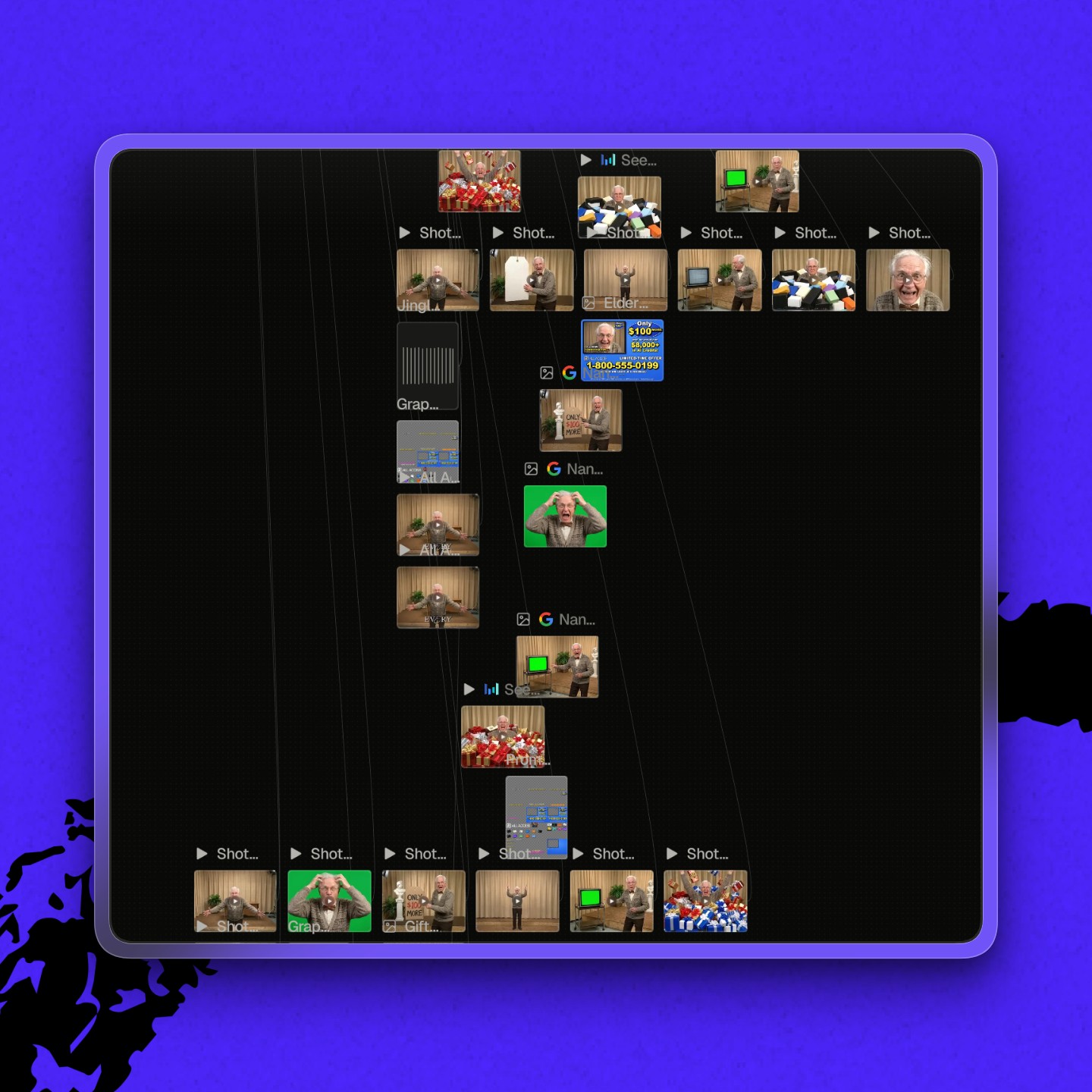
The 1980s-style infomercial we created for our Black Friday deal stars an invented pitchman modeled on Crazy Eddie’s manic TV ads. Douglas made it in two days while juggling other work, and it got more than 21,000 views on X within 24 hours with no paid promotion, making back its money and then some. He estimates a similar shoot would have cost $15,000 minimum, or as much as $100,000 (the actual cost of a fake infomercial he worked on in a previous role). Watch the ad on X.
The workflow (Douglas’s approach):
- Write the script yourself, then brief Claude like a production team. AI still can’t write a good hook, Douglas says, so he wrote the script himself. Then he briefed Claude Fable 5.2 (on extra effort) with the script, a mood board, and his research and let it run production in Flora via the Model Context Protocol.
- Lock the look in stills before you make video. Douglas picked the spokesman from a slate of Claude’s options, dressed him up in a cardigan, and used voice mode to iterate on stills of each frame to get the look just right. Stills cost about 5 cents each in Flora; a five-second clip, about $1.12.
- Give notes like a director, then save the process as a skill. He gave blunt feedback (“the new voice is TERRIBLE!”), and Claude chose its own fixes, like having Gemini, which can listen to audio, check each take’s accent and intonation. Then he saved the process as a skill he can reuse any time.
Try it this week: Even if you don’t want to release an AI-generated video, before your next in-person production, spend $50 making the AI version first and then give it to your crew as the plan.
Oh, and don’t forget to pick up the deal our pitchman is pitching: Every All Access for just $388 a year, with more than $8,000 in AI credits. Get All Access.
Dispatches from the Frontier
The best eval is your own work
Jack Cheng's explainer video on why we're rebooting Checks. (Courtesy of Jack Cheng.)
Checks is the tool we’re building to test AI models on our own work: Save a task, write yes-or-no questions that define a good answer, and rerun the task on every new model. An early version of Checks saw little use in our internal testing, so Jack, design engineer Tyler Nishida, and senior applied AI engineer Nityesh Agarwal are rebooting it.
After interviewing eight teammates, Jack turned his findings into the excellent explainer video. It boils down to four asks:
- Run tests in the cloud. Running benchmark tasks ties up laptops for hours (“my computer melts down,” head of evals Mike Taylor said).
- Explore results before scoring them. Open and compare what each model made before reading a single check.
- Turn reactions into checks. Reviewers already say what good work looks like, so the tool should capture it.
- Show which model to reach for. See which models people you trust use for which work and why.
The frontier team is testing the new version of Checks first, helping us ensure it supports the various tests each person runs for our Vibe Checks. Pending success, the plan is to roll out access to the rest of the Every team and eventually the general public.
Want more experiments like this? Jack’s project is on the Frontier feed, where Every’s team posts what we’re building and testing, including the parts that break.
What’s going on
- Nvidia’s board rehired CEO Jensen Huang on Monday, six days after it said it had no plans to, and the stock jumped about 30 percent before the opening bell.
- Anthropic released Claude Ship in beta for Team and Enterprise plans. Type /ship in Claude Code, and Claude opens a pull request (a proposed code change), reviews it, fixes failing checks, and approves what your team allows.
- OpenAI and Cisco released Shirudo, a free, open-source tool that lets AI agents write temporary “shields” to block an attack on a running Linux system without a restart.
- UCLA mathematician Terence Tao ranked three new AI-assisted proofs of famous open problems, including Navier–Stokes, by how well humans can follow them. The hardest, for the generalized Riemann hypothesis, exists only as computer code—for now.
Log on
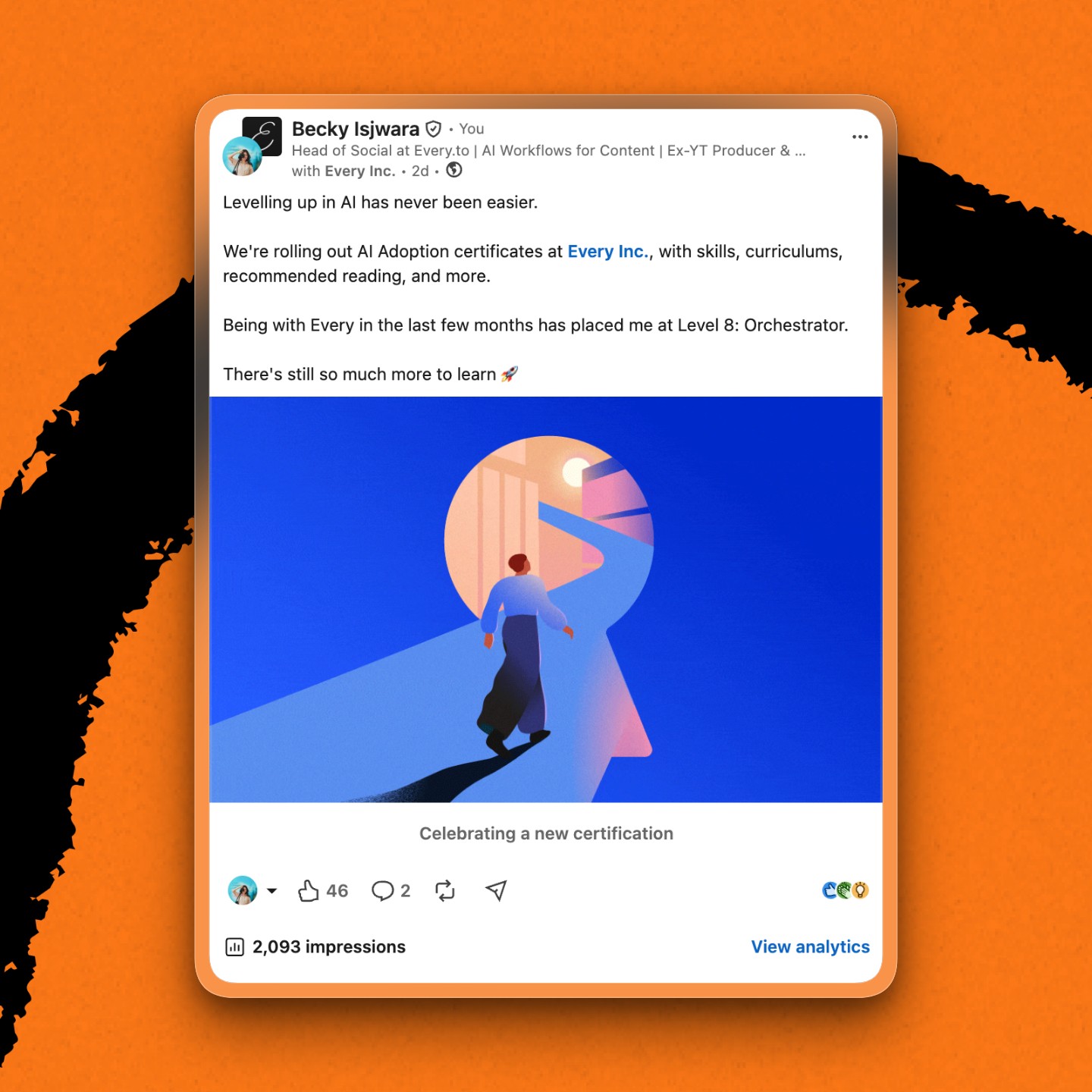
- Find your AI adoption level: We just updated our 10 Levels of AI Adoption guide to include Level 9: simulation, where teams of agents compete using different strategies to see which one wins, and Level 10: the multiverse, where you rerun that simulated world many times to rule out luck and find the strategies that win every time. Discover your level and get a certificate for your LinkedIn profile.
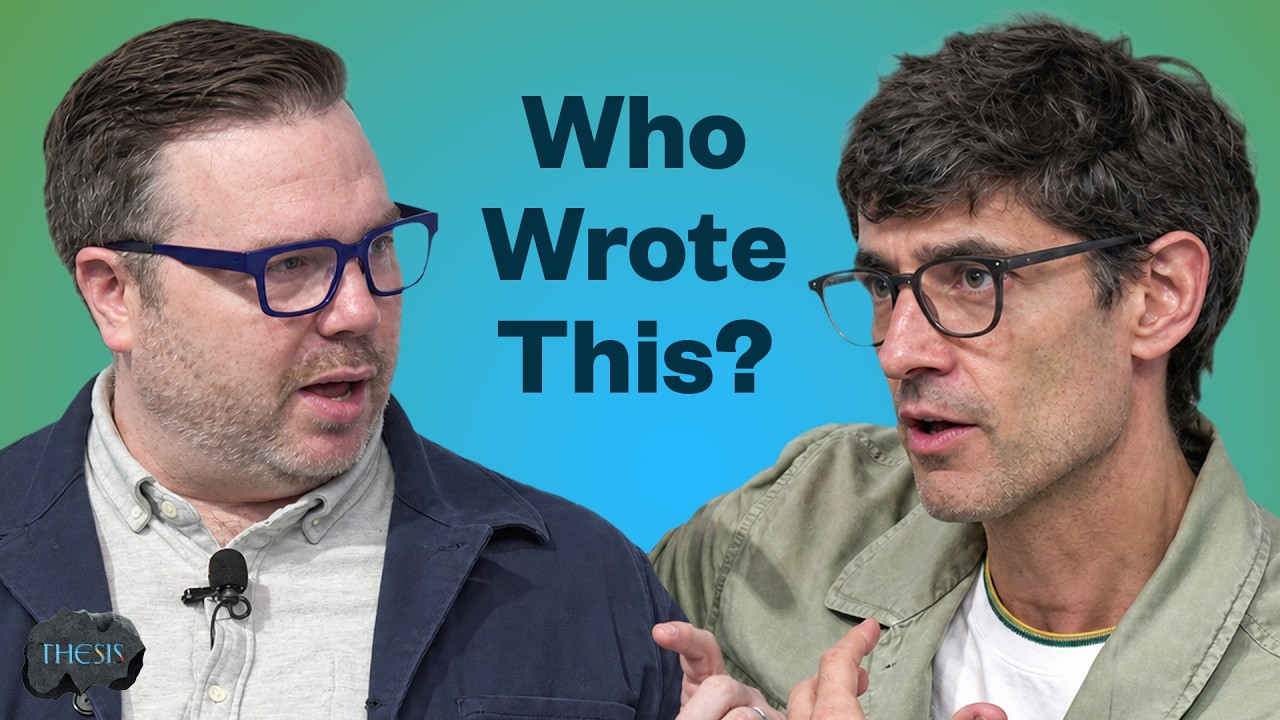
- Watch “Media After AGI” from Thesis: 2027: The Atlantic CEO Nicholas Thompson and journalist Kevin Roose on what AI means for journalism. Watch the session and get All Access to watch every Thesis: 2027 session.

Grant Harvey is a staff writer at Every. To read more essays like this, subscribe to Every and follow us on X at @every and on LinkedIn.
Stop explaining AI to your team and start showing them. Every Agent does the work in Slack, where everyone can see it, so one good workflow quickly becomes the whole team’s.