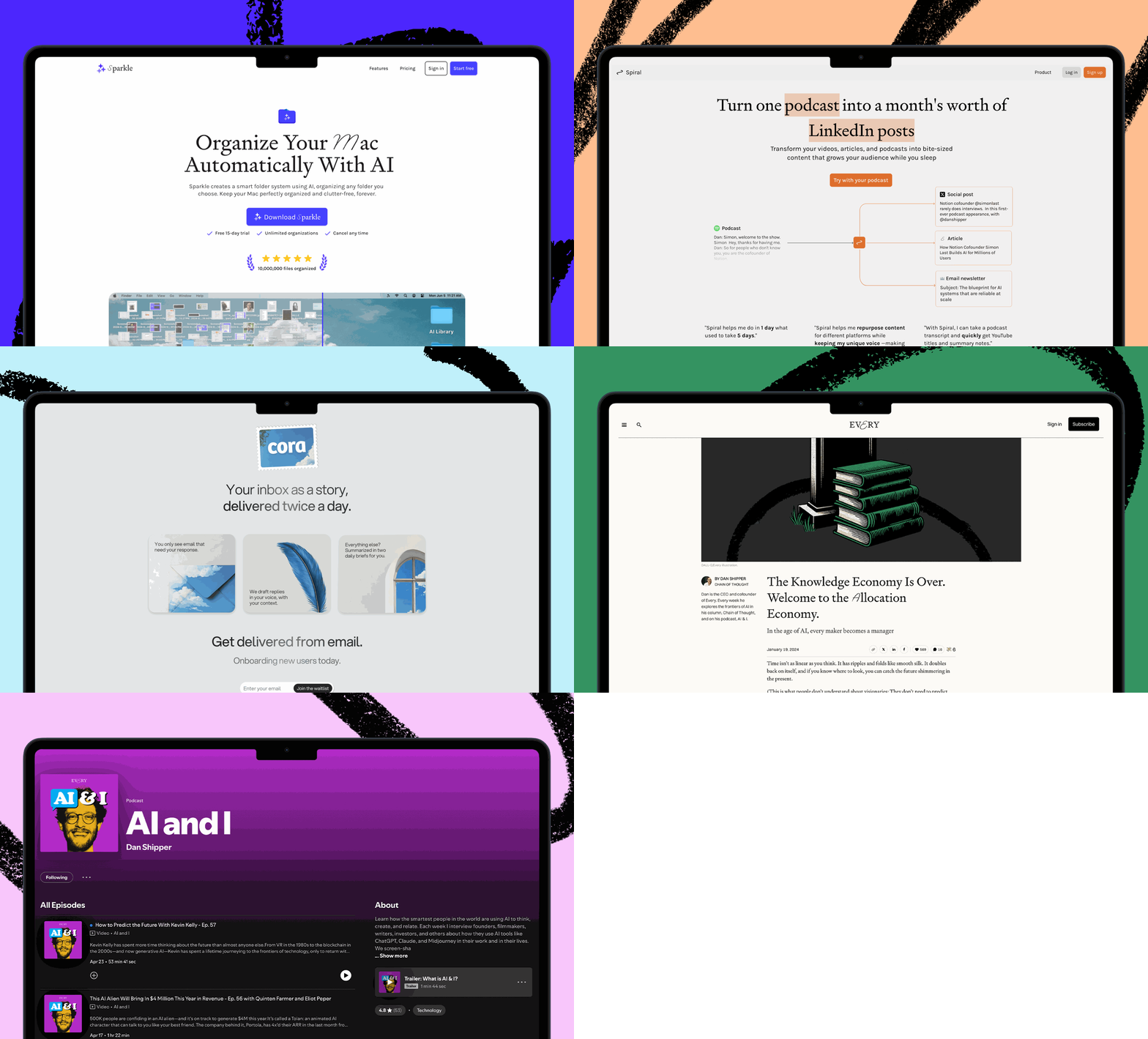
.jpg)
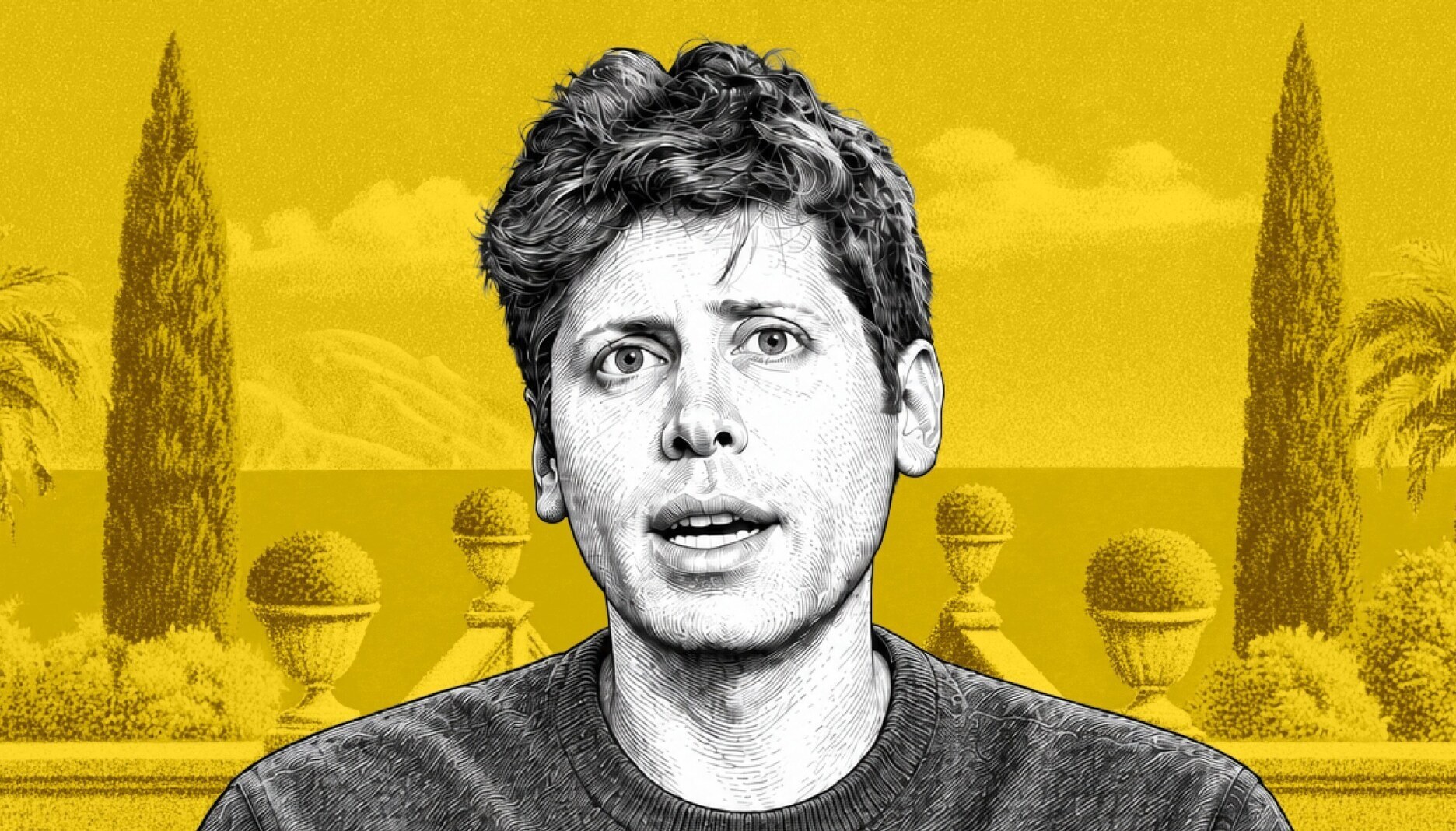
TL;DR: OpenAI CEO Sam Altman sits down with Dan Shipper for the first episode of The Every Podcast, the new name for AI & I. It’s still conversations with the people building and using AI, as well as a look behind the scenes at Every. Natalia Quintero joins Dan as co-host later this month.
Was this newsletter forwarded to you? Sign up to get it in your inbox.
This week, Dan sits down with Sam Altman at OpenAI’s annual DevDay, where the company shipped twenty-two products and features, more than twice as many as last year. (Altman: “Just wait for next year.”)
In a wide-ranging interview, Altman shares how his Dot—OpenAI’s new always-on agent—runs his day and gives him time back, why he can’t quit Astra’s new Ultrafast mode, and why he believes AI will bring on a new Renaissance.
Watch on X or YouTube, or listen on Spotify or Apple Podcasts. You can also read the transcript.
His Dot gave Altman his mornings back. His early mornings used to be his favorite time to work, a period of “maximum creativity” reserved for deep focus. But running OpenAI changed that. Nearly every morning, his focus was diverted to whatever fire demanded attention that day.
His Dot (which he’s named “Dotty” until he can “think of a great name”) now triages those issues, alerting him only when something is urgent. “I get this space for creativity or to just hang out with my kids,” he says. “It sounds small, but it has been a significant improvement to my life.”
Dan shares how his own Dot, Boo, has made it easier to track his commitments across apps, becoming his default way to use ChatGPT, despite its bugs. “That ability to bring context together from across your entire life and really do things in ways that would be hard even for an attentive person to get right has been super impressive,” he says.
Altman’s Dot lets him build again. A recent feature idea he had “would have been very hard to explain to people in enough detail to get it built,” Altman says. So he created it with his Dot. In spare moments, he leaves Dotty notes about how he wants a feature to work—and it’ll build a handful of versions for him to review.
“It’s pretty cool to go to sleep and leave a long voice note with a bunch of thoughts as you’re drifting off, and wake up in the morning and not only is the thing built, but it went off and did the next seven steps,” he says.
Altman only prompts on Ultrafast. He cites interface designer Bret Victor’s principle that creators need an instant connection to what they’re making. Ultrafast, a Codex mode that responds up to eight times faster but burns through the plan’s usage allowance at eight times the standard rate, gives him that immediacy. “I did not realize what a difference it makes to my iterative thinking loop to have responses come in so quickly,” he says.
If AI is supposed to help anyone build, Dan wonders what happens when better intelligence and faster responses are prohibitively expensive for all but a few?
Altman predicts OpenAI will soon deliver Ultrafast speed at a reasonable price—but by then, “We’ll have 100x faster, and there will also be GPT-7 Galaxy or whatever,” he says. “So I think the right way to think about this is: As far as I can see, there will always be a real frontier in terms of intelligence or speed or whatever else at a higher price.”
Altman hopes AI will spark a new Renaissance. The Industrial Revolution raised living standards, but it turned many people into “this cog in the machine doing some extremely specialized thing, disconnected from a lot of the parts that made life good,” he says.
His vision for our future with AI more closely resembles the Renaissance, with “this feeling that human potential had massively expanded.” By making it easier to build products, start companies, and pursue creative work, AI could give more people the freedom—and time—to act on their ideas.
Instead of a future in which humans are automated out of their roles, he hopes for a wave of science, art, and new companies, and a world where “people get back in control of their lives and their ability to do the things they want and spend their time the way they want.”
Miss an episode? Catch up on Dan’s recent conversations with LinkedIn cofounder Reid Hoffman; the team that built Claude Code—Cat Wu and Boris Cherny; Thibault Sottiaux and Andrew Ambrosino from the Codex team; Vercel cofounder Guillermo Rauch; podcaster Dwarkesh Patel; and others to learn how they use AI to think, create, and relate.
Laura Entis is a staff writer at Every. To read more essays like this, subscribe to Every, and follow us on X at @every and on LinkedIn.
Everyone’s a builder now. Every All Access gets you the full membership plus the Builder Pack—$9,000+ in credits for the tools we build with.